Airport-linked real estate corridors emerged as India’s strongest growth engines, with property prices in these zones rising 70% to 120% over the last four years. Strategic infrastructure milestones, such as the commencement of commercial operations at Navi Mumbai International Airport and the nearing completion of Noida International Airport, have transformed once-peripheral areas into high-value urban clusters. Markets like Panvel, the Yamuna Expressway, and North Bengaluru consistently outpaced broader city averages, driven by the “Aerotropolis” model that integrates residential, commercial, and logistics hubs.

Airports serve as significant economic catalysts, accelerating urban transformation through a multiplier effect. The demand shift toward airport zones was driven by improved connectivity, large-scale job creation, and the “speculation-to-reality” transition of major projects. As flight paths and terminal gates became operational, property values adjusted to reflect actual utility rather than just future potential.
According to the Square Yards “Jet Set Growth” report, airport-anchored micro-markets have demonstrated sustained residential growth that significantly outpaces the appreciation in the core city center. Investors are no longer just buying land; they are investing in an entire ecosystem that includes hotels, offices, and warehousing hubs.

The Yamuna Expressway has moved from a speculative land-trading zone to a structured residential and industrial corridor. With the Noida International Airport (Jewar) set for a January 2026 inauguration, apartment prices in this region have surged to approximately ₹9,000 to ₹10,000 per sq. ft. This places them on par with established areas like Greater Noida West.
The region has recorded a 54% year-on-year increase in project launches during 2025. Developers are shifting focus toward integrated townships that cater to the anticipated influx of workforce from the nearby industrial and logistics clusters.
| Metric | Yamuna Expressway | Growth (Last 5 Years) |
| Avg. Apartment Price | ₹9,500 per sq. ft. | 158% Rise |
| Avg. Plot Price | ₹35,000 per sq. mtr. | 536% Rise |
| Rental Yield | 2% – 3% | Steady Increase |
| Key Projects | Gaursons Chrysalis, Eldeco | High Absorption |
Investors are particularly bullish on sectors like Sector 22D and Sector 18, which sit in the direct influence zone of the airport. The entry of global brands and the planned “Fintech City” have further solidified the corridor’s identity as a new economic powerhouse rather than a mere suburb.
Navi Mumbai International Airport: Property Prices Surge Across Panvel, Ulwe, and Kharghar
The Navi Mumbai International Airport (NMIA) has turned Panvel and its surrounding nodes into the fastest-growing residential belt in the Mumbai Metropolitan Region (MMR). While apartment prices in core Navi Mumbai grew by 45%, the Panvel region saw a 74% growth between FY21 and FY25. This divergence highlights the massive value creation triggered by the airport’s operational readiness.
The development of a 667-acre Aerocity by CIDCO is the next big driver. This self-sustaining urban ecosystem will dedicate over 120 acres each to residential and commercial sectors, creating a “live-work-play” environment that rivals established CBDs like Belapur or Vashi.

| Region | Property Type | FY21 Price (Avg.) | FY25 Price (Avg.) | Appreciation % |
| Panvel Region | Apartments | ₹6,300/sq.ft | ₹11,000/sq.ft | 74% |
| Rest of Navi Mumbai | Apartments | ₹13,500/sq.ft | ₹20,000/sq.ft | 45% |
| Panvel Region | Plots | ₹42,000/sq.yd | ₹82,500/sq.yd | 93% |
| Rest of Navi Mumbai | Plots | ₹75,000/sq.yd | ₹1,20,000/sq.yd | 58% |
Nodes like Ulwe, Kharghar, and Taloja are seeing a surge in premium gated communities. The Atal Setu has played a pivotal role here, reducing travel time to South Mumbai to under 40 minutes, making the airport zone a viable residential choice for high-income professionals.
Jewar Airport December Launch: Impact on Property Prices, Connectivity & NCR Growth
North Bengaluru, anchored by the Kempegowda International Airport (KIA), has transformed from a “remote suburb” into a thriving real estate hotspot. Apartment prices in the airport vicinity now range between ₹11,000 and ₹13,000 per sq. ft., reflecting a 69% growth over four years. In contrast, the rest of Bengaluru saw a more modest 48% growth.
The region benefits from a “triple-threat” of demand: IT parks, aerospace manufacturing hubs, and unparalleled global connectivity. Localities like Devanahalli and Bagalur are no longer just for investors; they are attracting end-users who value planned infrastructure and the open spaces typical of North Bengaluru’s newer townships.
IT & Aerospace Parks: The presence of the Shell Technology Centre and the Aerospace SEZ has created a high-income tenant base.
Metro Connectivity: The expansion of the Blue Line metro directly to the airport terminals is a major demand driver for 2 BHK and 3 BHK units.
Plot Appreciation: Residential plots in North Bengaluru have seen a staggering 118% growth, the highest in the city’s history for a single corridor.

As we head into 2026, the strategy for airport-linked investments must shift from speculative land-grabbing to quality-focused selection. Much of the “infrastructure news” is already factored into current prices. Future gains will be driven by the actual habitability of these zones, including air quality, social infrastructure, and commercial occupancy.
Real estate experts suggest that while outsized gains were common in the last four years, 2026 will see steadier, more “measured” appreciation. End-users should prioritize projects by reputed developers with clear land titles. Investors should look for properties aligned with the “Aerotropolis” model—those located within integrated townships that offer a mix of retail, healthcare, and education.

The year 2025 has firmly established airport corridors as the “golden gates” of Indian real estate. From the industrial momentum of the Yamuna Expressway to the residential boom in Panvel and the tech-led growth in North Bengaluru, the influence of aviation infrastructure is undeniable. These micro-markets have not only provided superior returns to investors but have also redefined urban living by creating self-contained ecosystems. As we move into 2026, the focus will shift from the excitement of “upcoming” projects to the utility of “operational” hubs. For those looking to build long-term wealth or find a future-ready home, airport-linked properties remain the most strategic choice in the current market.
 Frequently Asked Questions
 Subscribe now and be the first to receive insights that matter.











 Iconic
 Kharghar, Navi Mumbai














 Kharghar, Navi Mumbai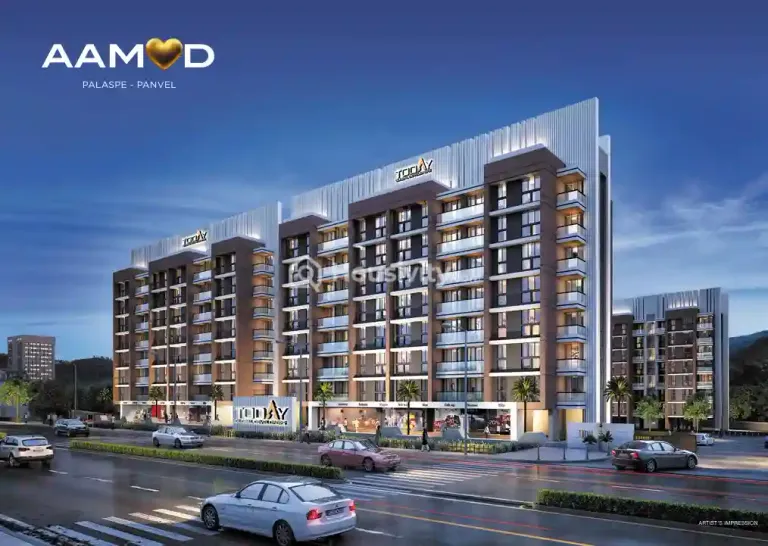
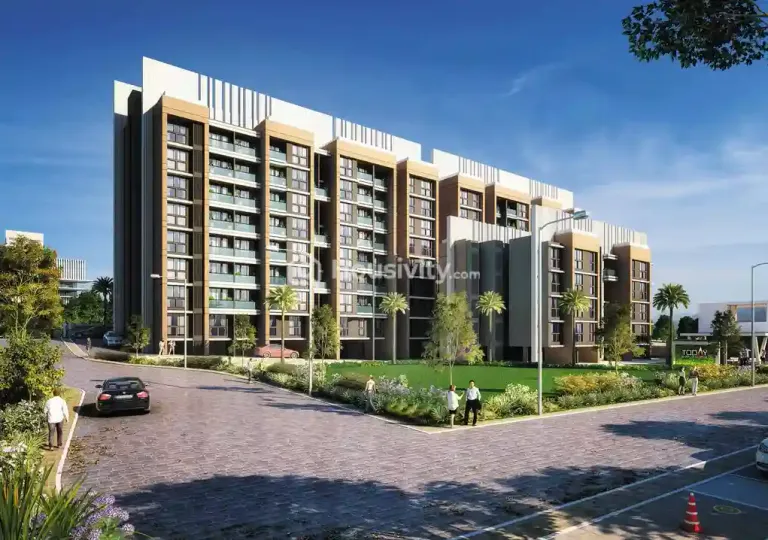
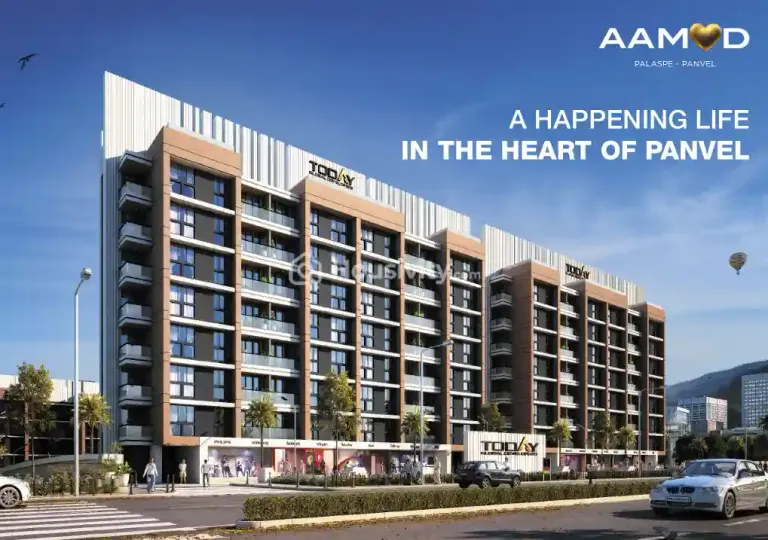
 Ready To Move
 LimelightPanvel, Navi Mumbai













 LimelightKanjurmarg East, Mumbai

















 FeaturedMulund West, Mumbai







 LimelightMulund West, Mumbai



 LimelightPushpak Nagar, Navi Mumbai





 Ready To MoveLimelightUlwe, Navi Mumbai




 PopularUlwe, Navi Mumbai
 House for Sale in Sargasan