Green-certified office buildings in India offer higher rental yields (11% premium), faster asset appreciation, lower operating costs, and stronger tenant demand. Investors benefit from 20–50% savings in energy and water bills, 25–35% lower maintenance costs, and tax incentives in select states. These advantages more than offset the 3–10% higher upfront cost, making green-certified offices a profitable and future-proof real estate investment in 2025.
The demand for sustainable real estate is rising sharply in India. With global corporations prioritizing ESG compliance, investors looking for long-term value, and tenants preferring healthier work environments, green-certified office buildings have moved from being a niche to a mainstream investment.
These buildings certified under IGBC, GRIHA, or LEED standards not only reduce environmental impact but also deliver measurable financial gains. For homebuyers, NRIs, and institutional investors, green-certified offices provide higher rental income, better resale value, and lower long-term risks compared to conventional spaces.
This article explores the financial benefits of green-certified office buildings in India, with data, comparisons, and practical insights to guide your investment decisions.

Green-certified offices generate more revenue through higher rents and resale premiums while cutting costs on utilities and maintenance. They also attract top tenants, reduce vacancy risks, and enjoy faster appreciation than conventional offices.

What is the difference between LEED and IGBC certification in India?
Green-certified office spaces in India earn 11% higher rents and 21% higher resale values compared to non-certified buildings.
This premium comes from tenant demand multinationals, IT firms, and startups want to lease offices that meet sustainability standards. Occupiers value lower utility costs, employee well-being, and ESG compliance, which justifies paying more.
Data Snapshot:
| Metric | Green-Certified Office | Conventional Office | Difference |
|---|---|---|---|
| Average Rent (per sq. ft./month) | ₹120 | ₹108 | +11% |
| Sales Price (per sq. ft.) | ₹13,500 | ₹11,200 | +21% |
Yes. Certified buildings experience 15% more investor demand and faster resale cycles than traditional offices.
Why This Happens:

How Do Green Building Certifications Impact Property Valuation in India?
Green buildings cut energy bills by 20–50%, reduce water use by 30–50%, and lower maintenance costs by 25–35%.
Breakdown of Cost Savings:
| Operating Expense Category | Conventional Office | Green-Certified Office | Savings |
|---|---|---|---|
| Energy (per sq. ft./year) | ₹180 | ₹90–₹140 | 20–50% |
| Water (per sq. ft./year) | ₹40 | ₹20–₹28 | 30–50% |
| Maintenance (per sq. ft./year) | ₹100 | ₹65–₹75 | 25–35% |
Yes. Developers and owners of certified projects can benefit from faster clearances, tax breaks, and reduced fees.
Examples of Incentives:

Yes. These buildings achieve higher occupancy and tenant retention due to sustainability, wellness, and ESG benefits.
Tenant Perspective:

Green-certified office buildings in India combine financial performance, sustainability, and future-proofing. With rental and sales premiums, operating savings, government support, and ESG-driven demand, they clearly outperform conventional properties.
For homebuyers, NRIs, and institutional investors, this asset class offers long-term stability, profitability, and alignment with global trends.
 Frequently Asked Questions
 Disclaimer: The information presented in this article is compiled from publicly available sources and media reports and is provided solely for informational purposes. It should not be considered official financial, legal, or regulatory advice. Any images, addresses, or related details are shared in accordance with publicly available information and reporting practices, without any intention to infringe upon personal privacy.
Subscribe now and be the first to receive insights that matter.


 Randesan, Gandhinagar
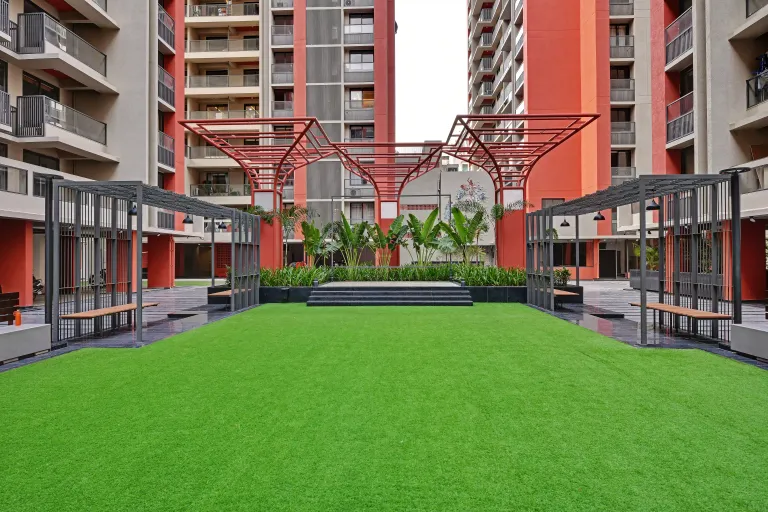
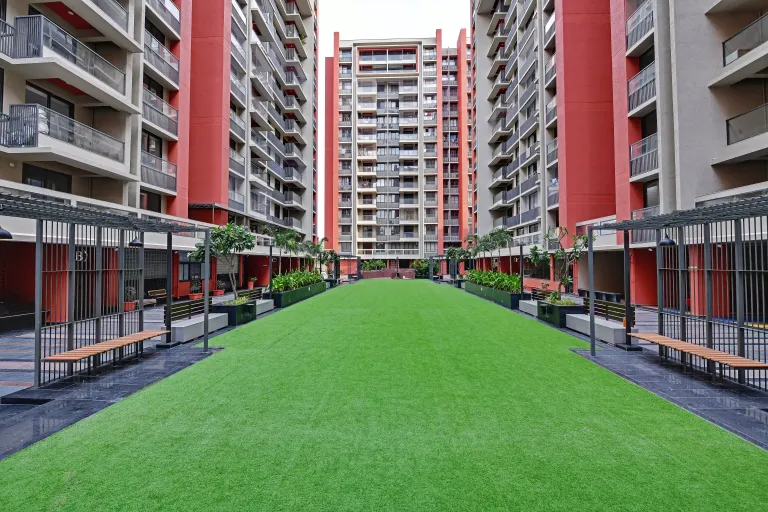
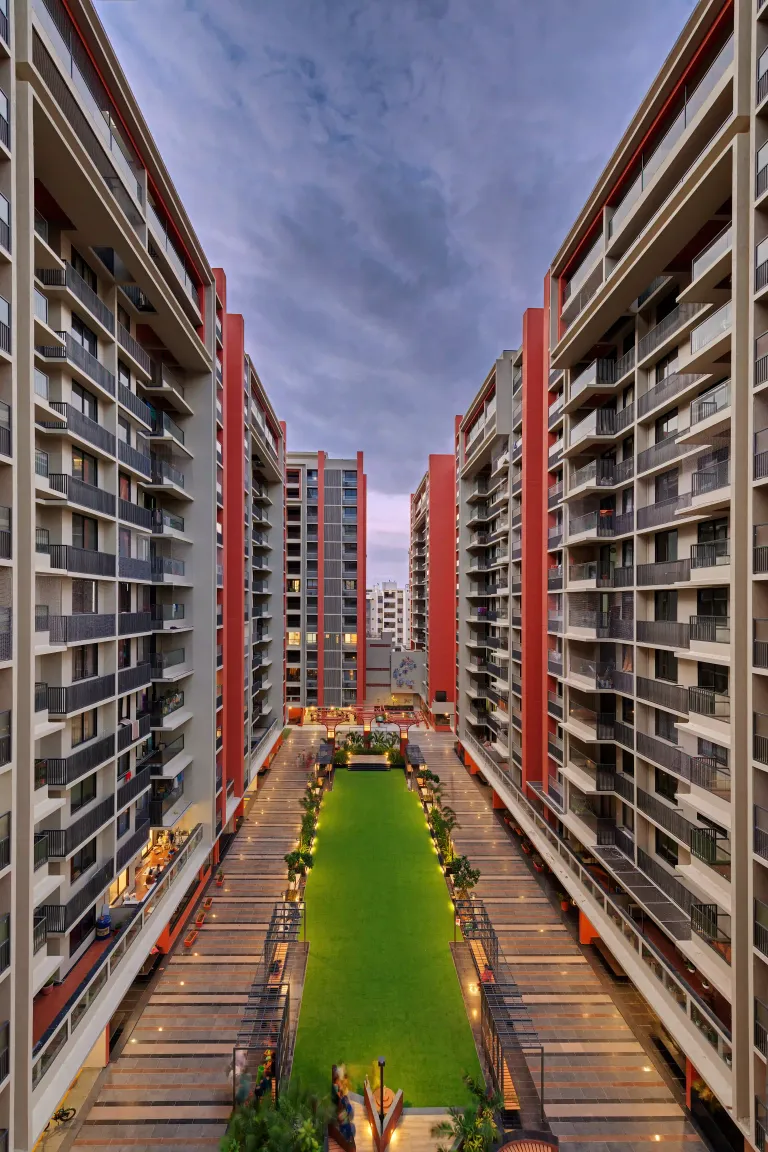
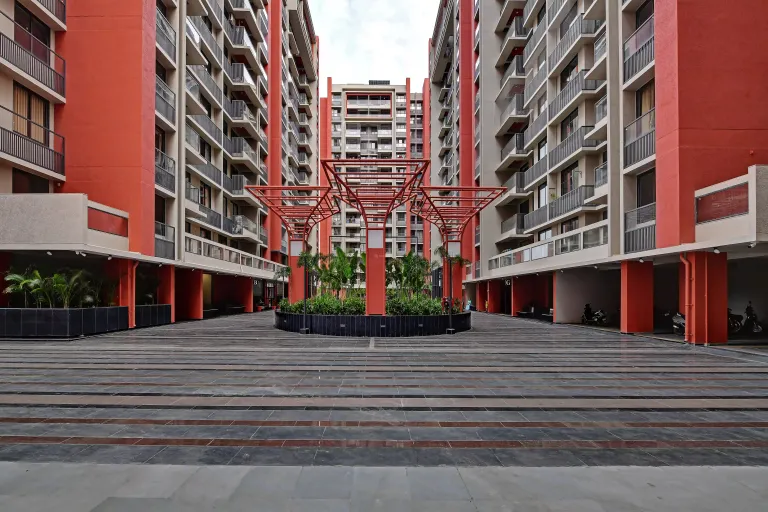
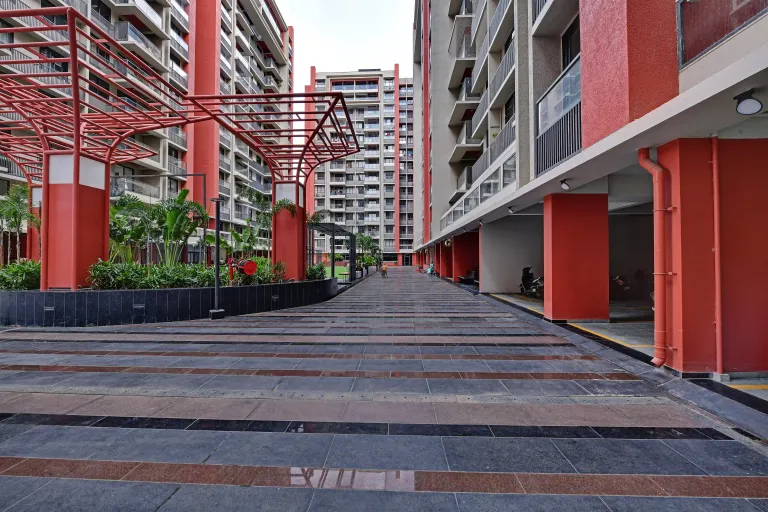
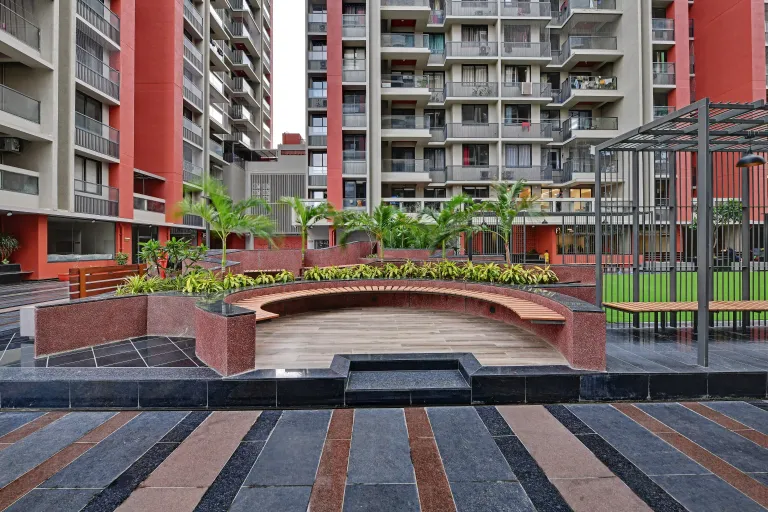
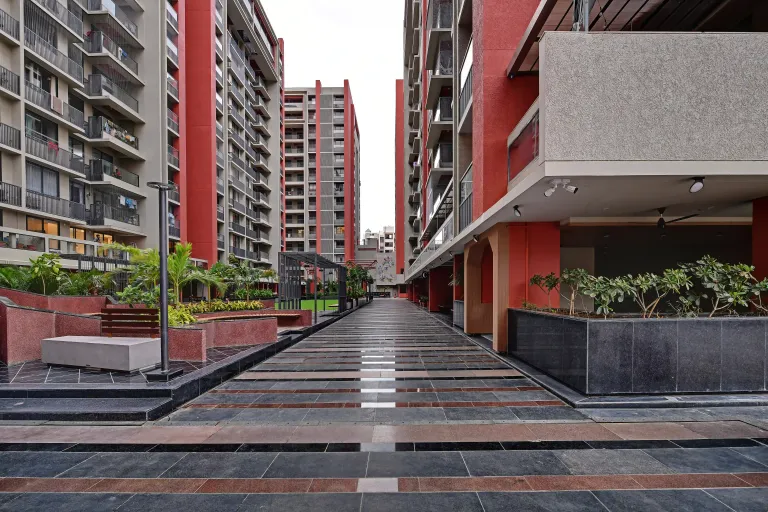
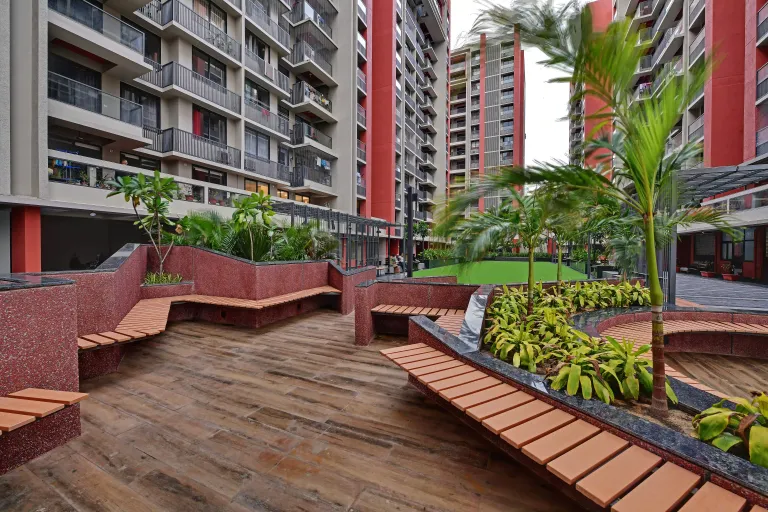
 Ready To MoveRandesan, Gandhinagar



.webp?w=768)

 Ready To MoveKudasan, Gandhinagar





 Kudasan, Gandhinagar



 Vaishnodevi, Ahmedabad


 Chandkheda, Ahmedabad







 IconicKharghar, Navi Mumbai



 Ready To Move
 FeaturedMulund West, Mumbai





 Ready To Move
 LimelightUlwe, Navi Mumbai
 Shela, Ahmedabad
 House for Sale in Sargasan