Navi Mumbai, Thane, and Panvel are emerging as the strongest peripheral markets for homebuyers and investors due to better affordability, strong infrastructure growth, and rising commercial hubs. With new metros, expressways, trans harbour links, and corporate expansion, these regions now rival Mumbai’s prime suburbs in value and lifestyle. Demand is rising from first time buyers, NRIs, and long-term investors seeking higher appreciation. These areas now deliver a balanced mix of connectivity, quality housing, and future-ready development.
The peripheral markets of Navi Mumbai, Thane, and Panvel are surging because they combine affordability with high quality infrastructure. These regions offer modern townships, better planning, cleaner environments, and improved access to Mumbai. Infrastructure projects like the Trans Harbour Link, Navi Mumbai Metro, Airport, and Thane Ghodbunder widening have unlocked massive real estate demand. As a result, investors and end users are shifting from older Mumbai localities to these future-ready zones.
These markets now offer
• Lower entry prices
• Better layouts and amenities
• Strong rental demand
• Long-term appreciation potential
• Proximity to upcoming job hubs
For buyers seeking value, lifestyle, and growth, these three zones present some of the best opportunities in the entire Mumbai Metropolitan Region.
Navi Mumbai stands out due to its planned urban structure, reliable civic infrastructure, and excellent connectivity. With the Trans Harbour Link operational and the Navi Mumbai International Airport progressing, property demand has skyrocketed. Affordability, open spaces, and strong job creation in nodes like Vashi, Airoli, Ghansoli, and Kharghar make it a magnet for homebuyers and investors.
Navi Mumbai was envisioned as an alternative to Mumbai and today it lives up to that vision. Its robust planning by CIDCO has resulted in
• Wider roads
• Better drainage
• Organised residential clusters
• Growing commercial districts
• Ample green cover
Top growth drivers include
Price Trends
• Airoli: ₹15,000 to ₹22,000 psf
• Vashi: ₹17,000 to ₹25,000 psf
• Kharghar: ₹8,000 to ₹13,500 psf
• Ulwe: ₹7,000 to ₹11,500 psf
Investors prefer Navi Mumbai for steady appreciation of six to nine per cent annually. Rental yields remain between two point eight per cent and four per cent, especially in Airoli and Ghansoli due to IT demand.
Thane is gaining popularity because it offers spacious homes, township-style living, and excellent connectivity at more accessible prices. Major infrastructure projects such as the Metro, Kapurbawdi flyovers, and internal road upgrades have improved travel times. With strong schools, malls, hospitals, and corporate parks, Thane offers a complete lifestyle without the density issues of Mumbai.
Thane has transformed over the last decade from an industrial belt to a premium residential city. Its major growth corridors include
• Ghodbunder Road
• Pokhran Road 1 and 2
• Balkum
• Majiwada
• Kolshet
These areas attract both families and young professionals due to their proximity to commercial zones like
• Hiranandani Business Park
• Wagle Estate
• Mindspace Airoli
Price Trends
• Ghodbunder Road: ₹9,000 to ₹14,000 psf
• Pokhran Road: ₹12,000 to ₹18,000 psf
• Majiwada: ₹11,000 to ₹17,000 psf
Average appreciation has hovered between five and eight percent yearly. New infrastructure such as the Thane Metro Line 4, Coastal Road extensions, and improved highways are set to push prices further.
Thane also appeals to NRIs due to its cleaner environment, lake fronts, and township ecosystem offered by major developers.
Panvel is surging because it lies near the Navi Mumbai International Airport and directly benefits from the Trans Harbour Link. It offers some of the most affordable prices in the region while promising strong appreciation. Large land parcels, development by CIDCO, and easy access to Pune and Mumbai make Panvel ideal for long term investors.
Panvel has evolved from a quiet town into a strategic connectivity hub. It connects to
• Mumbai Pune Expressway
• JNPT highways
• Trans Harbour Link
• Upcoming coastal road networks
Key micro markets include
• New Panvel
• Kharghar extension
• Taloja
• Upper Kharghar
• Ulwe catchment
Price Trends
• New Panvel: ₹5,000 to ₹8,000 psf
• Taloja: ₹4,500 to ₹7,500 psf
• Upper Kharghar: ₹6,000 to ₹9,000 psf
Panvel attracts middle income buyers, early investors, and NRIs seeking high potential entry points. With the airport expected to be a major job creator, Panvel could see double digit appreciation over the next decade.
| Micro Market | Average Price per sq ft | Rental Yield | Buyer Profile |
|---|---|---|---|
| Navi Mumbai | ₹8,000 to ₹25,000 | 2.8 to 4 percent | End users, IT workforce, NRIs |
| Thane | ₹9,000 to ₹18,000 | 2.5 to 3.5 percent | Families, professionals, NRIs |
| Panvel | ₹4,500 to ₹9,000 | 2 to 3 percent | Budget buyers, early investors |
| Factor | Navi Mumbai | Thane | Panvel |
|---|---|---|---|
| Affordability | Medium | Medium High | High |
| Connectivity | Excellent | Excellent | Great with future potential |
| Appreciation | High | Medium High | High Future Potential |
| Rental Demand | Strong IT base | Family based | Growing |
| Ideal For | Professionals, NRIs | Families, upgraders | Budget buyers, long term investors |
Mega projects like the Trans Harbour Link, Navi Mumbai Metro, upcoming airport, Thane Metro, and extended expressways have dramatically improved travel across the region. These infrastructure upgrades reduce commute times, open new job hubs, and push demand in areas previously considered far from Mumbai. As connectivity improves, prices in these peripheral markets continue to rise.
Key infrastructure catalysts include
These upgrades make the peripheral markets highly attractive for both end users and investors.
The current surge is driven by first time homebuyers, NRIs, mid-income families, and long term investors. Better affordability, modern townships, and excellent connectivity attract younger buyers. NRIs prefer structured development and future price growth, while investors see strong appreciation potential.
Buyer categories include
• Young IT professionals working in Airoli and Ghansoli
• Families seeking larger homes at reasonable prices
• NRIs looking for stable rental demand
• Investors prioritising infrastructure-driven appreciation
Demand has shifted from central Mumbai to new regions because
These markets deliver strong end user comfort and investor grade growth potential.
Navi Mumbai and Thane are seeing annual appreciation of five to nine per cent, while Panvel shows future potential for eight to twelve percent once the airport becomes fully operational. Infrastructure upgrades and rapid commercial expansion support long-term value growth.
Appreciation varies by micro market
• Airoli and Ghansoli have already seen price jumps due to IT parks
• Kharghar and Ulwe are rising due to airport proximity
• Ghodbunder Road and Pokhran Road are benefiting from urban renewal
Expected growth
• Navi Mumbai: seven to nine per cent annually
• Thane: five to seven per cent annually
• Panvel: ten to twelve per cent in the next decade
These numbers show that peripheral markets offer stronger returns than several saturated Mumbai localities.
Compared to older Mumbai suburbs, peripheral markets offer larger homes, better planning, cleaner surroundings, and more competitive pricing. They also provide stronger long term appreciation potential due to ongoing infrastructure. For many buyers, these regions now deliver a superior value to cost ratio.
Traditional suburbs such as Andheri, Bandra, or Santa Cruz have
• High saturation
• Limited new supply
• Very high entry prices
In contrast, peripheral markets offer
• Modern gated communities
• Superior internal planning
• Better infrastructure implementation
• More balanced pricing
This shift is creating new demand cycles that are benefiting Navi Mumbai, Thane, and Panvel significantly.
• Peripheral markets offer stronger value than many older Mumbai micro markets
• Navi Mumbai leads with planned development and strong commercial demand
• Thane delivers lifestyle, greenery, and township comfort
• Panvel provides affordability and future growth driven by the airport
• Appreciation ranges from five to twelve percent annually
• Ideal for first time buyers, NRIs, and long term investors
Navi Mumbai, Thane, and Panvel have become powerful growth engines in the Mumbai Metropolitan Region. Their affordability, planned development, cleaner environment, and major infrastructure projects make them ideal choices for homebuyers and long-term investors. Each region offers unique strengths, from Navi Mumbai’s commercial hubs to Thane’s township lifestyle and Panvel’s airport driven growth. For anyone seeking a future-ready home or investment opportunity, these peripheral markets deliver unmatched value and appreciation potential.
 Frequently Asked Questions
 Subscribe now and be the first to receive insights that matter.


 Featured
 Kharghar, Navi Mumbai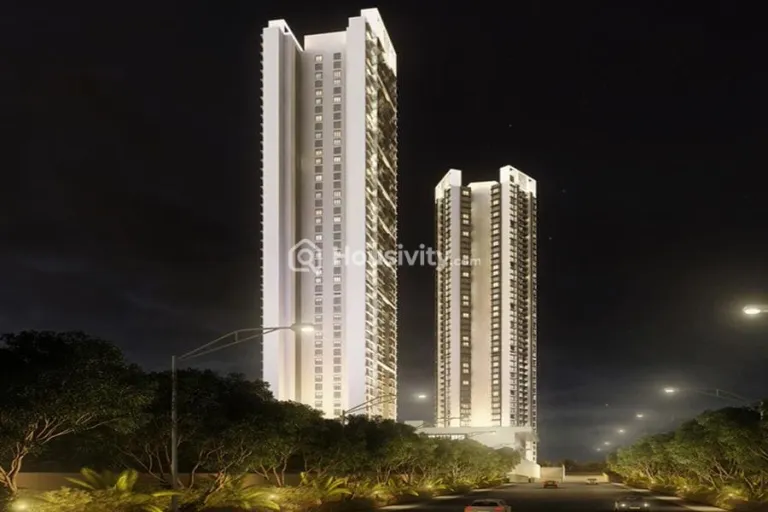
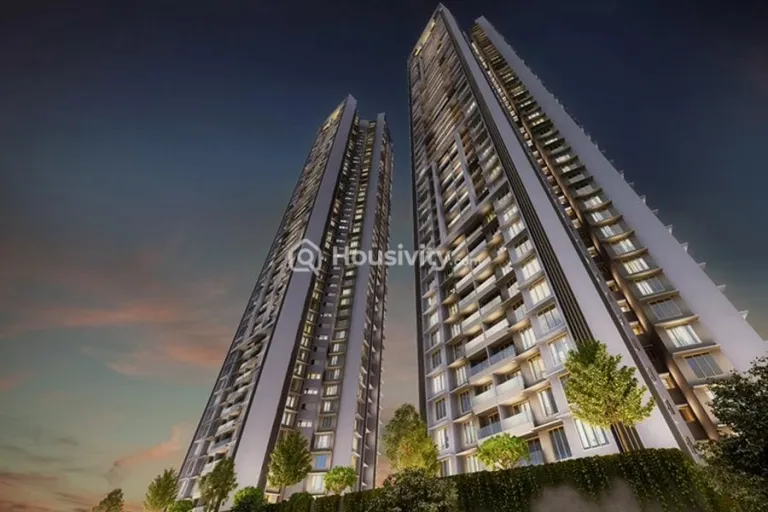
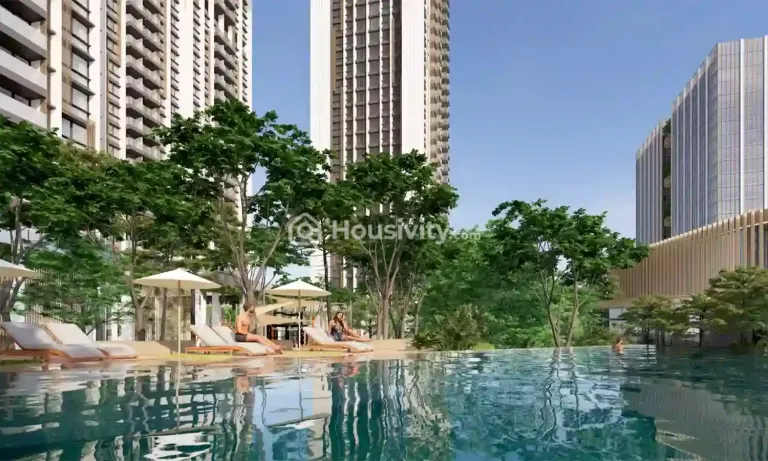
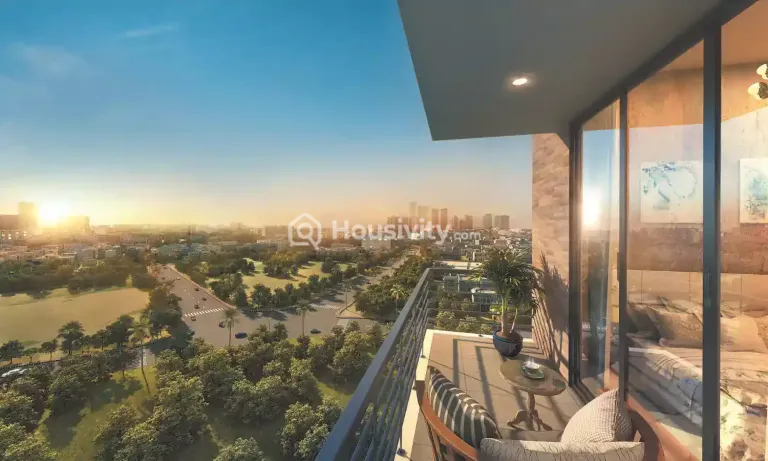


 Ready To MoveFeaturedMulund West, Mumbai




 FeaturedWadala East, Mumbai






 LimelightKanjurmarg East, Mumbai





 FeaturedMulund West, Mumbai



 LimelightMulund West, Mumbai
 Ready To MoveLimelightPushpak Nagar, Navi Mumbai




 Ready To MoveLimelightUlwe, Navi Mumbai
 House for Sale in Sargasan