Disclaimer: This article is for informational purposes only and does not constitute legal, financial, or investment advice. Readers should verify details and consult professionals before making real estate decisions.
Gujarat real estate is undergoing a major transformation as redevelopment and joint development projects rapidly replace traditional land purchase models. Rising land prices, limited urban land availability, and clearer regulatory frameworks are driving developers and landowners toward partnership-led growth. Ahmedabad leads this shift, with the redevelopment of housing societies emerging as the dominant format. For buyers and investors, redevelopment offers modern homes in prime locations with stronger long-term value and lower execution risk.
Gujarat’s real estate market is quietly but decisively changing direction. Instead of expanding city limits or acquiring expensive new land parcels, developers are increasingly focusing on redevelopment and joint development within existing urban areas. Older housing societies, underutilized plots, and centrally located land are being transformed into modern residential and mixed-use developments.
Official registration data highlights the scale of this shift. The number of registered redevelopment and joint development agreements has risen sharply across Gujarat, generating substantial stamp duty revenue and reflecting growing confidence in this model. Ahmedabad remains the epicenter of this transformation, where redevelopment of aging housing societies is reshaping established neighborhoods. For landowners, redevelopment unlocks higher lifetime returns. For homebuyers, NRIs, and investors, it offers rare access to prime urban locations with contemporary living standards.
Redevelopment is becoming the preferred real estate model in Gujarat because it addresses high land costs while allowing both developers and landowners to share project upside. Instead of paying premium prices for land, developers reduce capital exposure through partnerships. Landowners gain higher overall returns compared to conventional land sales.
Urban land prices in cities like Ahmedabad, Surat, and Vadodara have risen sharply over the past decade. In prime areas, land alone can account for more than half of the total project cost. This makes traditional land acquisition commercially challenging and often limits project viability.
Joint development models solve this challenge by aligning incentives:
This model is unlocking older societies and centrally located plots that would otherwise remain locked assets, enabling sustainable urban renewal.
Redevelopment and joint development activity across Gujarat has grown significantly, with hundreds of registered agreements generating substantial stamp duty revenue. The data confirms both scale and long-term confidence in partnership-led real estate growth.
Across the state, redevelopment agreements have increased steadily, reflecting adoption across both metro and tier two cities.
| City | Registrations | Stamp Duty Rs Cr | Registrations | Stamp Duty Rs Cr |
|---|---|---|---|---|
| Ahmedabad | 116 | 23.64 | 119 | 26.60 |
| Jamnagar | 317 | 0.49 | 512 | 1.10 |
| Surat | 22 | 14.34 | 18 | 8.56 |
| Rajkot | 129 | 1.63 | 88 | 0.82 |
| Vadodara | 53 | 7.59 | 35 | 6.75 |
| Gandhinagar | 28 | 1.14 | 21 | 5.91 |
| Total | 777 | 55.07 | 983 | 59.07 |
The figures highlight rising participation and sustained stamp duty contributions, reinforcing redevelopment as a mainstream growth engine.
Ahmedabad leads Gujarat redevelopment due to its large concentration of aging housing societies located on high-value urban land. Redevelopment allows these societies to modernize infrastructure while unlocking financial value.
Ahmedabad recorded 116 registered development agreements contributing Rs 23.64 crore in stamp duty. Momentum strengthened further with 119 agreements generating Rs 26.60 crore in stamp duty collections.
A majority of these agreements involve the redevelopment of existing housing societies rather than vacant land. Mature residential areas such as Navrangpura, Paldi, Ellisbridge, Naranpura, Satellite, and parts of Bopal are witnessing consistent redevelopment interest.
Key reasons societies opt for redevelopment include:
This inward growth model is reshaping Ahmedabad’s skyline while preserving its established urban fabric.
Joint development offers landowners significantly higher returns compared to direct land sales. Although payments may be phased, overall realization is higher, and long-term wealth creation improves.
Under joint development, landowners typically earn 20 to 25% more than they would through an outright land transaction. In premium locations, their share from project sales can be substantially higher due to strong end-user demand.
| Aspect | Outright Sale | Joint Development |
|---|---|---|
| Payment timing | Immediate | Phased |
| Total returns | Fixed | Higher |
| Upside participation | None | Shared |
| Rental income potential | No | Yes |
| Long-term asset retention | No | Partial |
This model also enables landowners to retain finished units that can generate rental income or be passed on as long-term assets.
Clear legal structures and well-defined stamp duty norms have strengthened confidence in redevelopment projects across Gujarat. Transparent valuation and predictable registration costs reduce uncertainty for all stakeholders.
Redevelopment and joint development projects typically involve registered development agreements that attract:
These charges are calculated on the jantri value of land and construction, ensuring consistency across transactions.
This legal clarity helps:
Redevelopment provides buyers and investors access to modern homes in prime locations with established infrastructure and strong rental demand. These projects often carry lower execution risk than greenfield developments.
Redeveloped projects are located in mature neighborhoods with existing schools, hospitals, transport, and commercial hubs. This translates into:
For NRIs and HNI families, redevelopment combines emotional familiarity with contemporary lifestyle amenities.
After Ahmedabad, cities such as Surat, Vadodara, Rajkot, Jamnagar, and Gandhinagar are emerging as redevelopment hotspots due to aging building stock and rising land values.
Older commercial districts, low-rise residential clusters, and underutilized urban parcels in tier two cities are increasingly being considered for redevelopment as infrastructure and market maturity improve.
The redevelopment wave reshaping Gujarat real estate is driven by economic logic, regulatory clarity, and collaborative growth models. With rising agreement volumes and increasing stamp duty collections, redevelopment has moved from a niche strategy to a mainstream urban renewal tool. Ahmedabad’s leadership demonstrates how mature cities can reinvent themselves without expanding outward.
 Frequently Asked Questions
 Disclaimer: The information presented in this article is compiled from publicly available sources and media reports and is provided solely for informational purposes. It should not be considered official financial, legal, or regulatory advice. Any images, addresses, or related details are shared in accordance with publicly available information and reporting practices, without any intention to infringe upon personal privacy.
Subscribe now and be the first to receive insights that matter.


 Iconic
 zundal, Ahmedabad



 Sample House Ready
 LimelightHathijan, Ahmedabad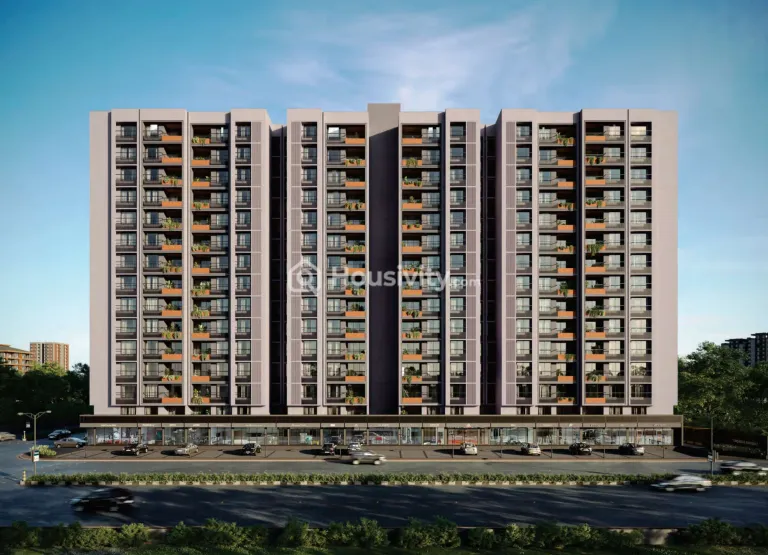
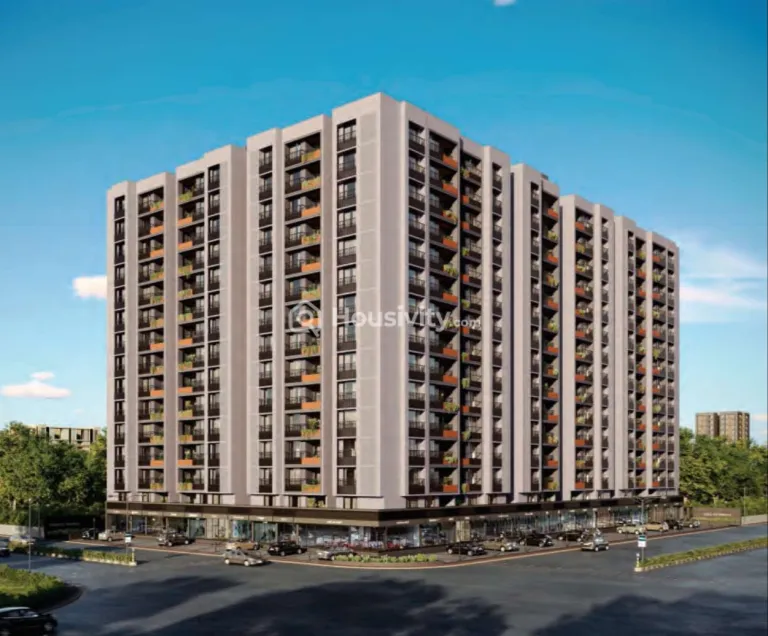
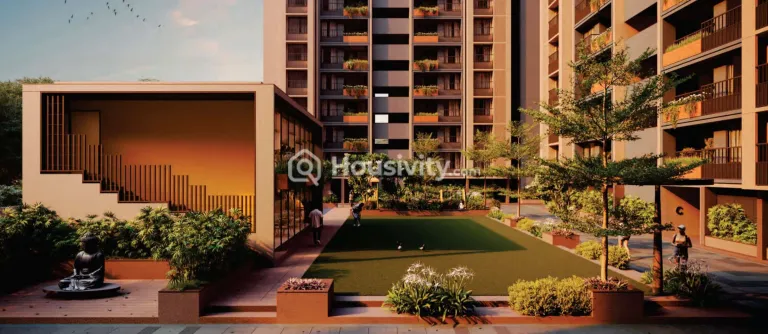
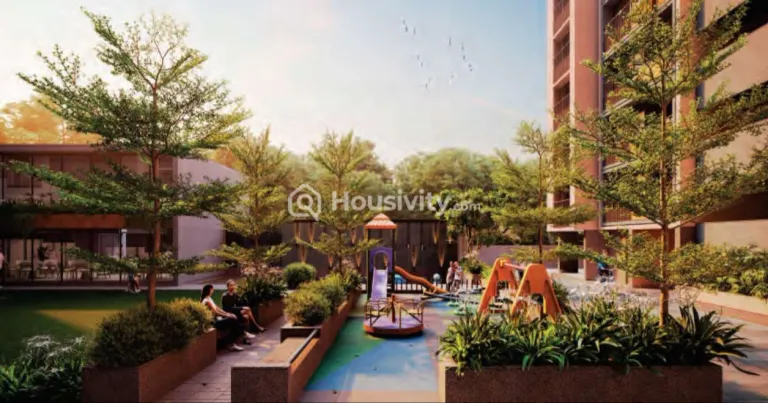
 Shela, Ahmedabad


 Shela, Ahmedabad


 Maninagar, Ahmedabad
 Sample House Ready
 FeaturedHanspura, Ahmedabad


 Chandkheda, Ahmedabad



 Vaishnodevi, Ahmedabad
 Home Loan EMI Calculator