Housivityis better on the app
 Reals
Reals

Blog
For Investors
The Maharashtra Housing and Area Development Authority (MHADA) will officially launch its 2026 Mumbai housing lottery within the next 10 days, offering approximately 2,500 affordable residential units across the city. This annual draw caters to all income segments, including Economically Weaker Sections (EWS), Lower-Income Groups (LIG), Middle-Income Groups (MIG), and High-Income Groups (HIG), with homes located in prime suburban and city pockets. Eligible applicants must be residents of Maharashtra and fall within specific annual family income brackets, with the entire computerised process designed to ensure transparency and fairness for home seekers in India’s most expensive real estate market.
Eligibility for the MHADA lottery is strictly determined by the annual family income of the applicant and their spouse. The authority divides applicants into four distinct categories to ensure that the most subsidised homes reach those in the lowest income brackets. For the Mumbai Metropolitan Region, the income limits have been standardised to reflect the city’s higher cost of living compared to the rest of Maharashtra.
Under the current rules, the EWS category is reserved for those with a family income of up to ₹6 lakh per annum. The LIG segment covers those earning between ₹6 lakh and ₹9 lakh, while the MIG segment applies to the ₹9 lakh to ₹12 lakh bracket. Anyone with a family income exceeding ₹12 lakh per annum falls under the HIG category. It is crucial to select the correct category during registration, as errors can lead to the disqualification of the application during the document verification phase.
The 2,500 homes in the upcoming draw are strategically scattered across Mumbai, with a heavy concentration in the western suburbs. A major highlight of this year’s inventory is the Patra Chawl redevelopment project in Goregaon West, which is expected to contribute nearly half of the total available units. This area is highly sought after due to its proximity to commercial hubs like Malad and Andheri, as well as its excellent connectivity via the Western Express Highway and the Metro.
Other expected locations include developing and established residential zones like Vikhroli, Antop Hill, Powai, and Borivali. While some of these units are part of newer constructions, others may be unsold inventory from previous years located in well-maintained MHADA colonies. The diversity of locations ensures that applicants can choose a home that balances their budget with their daily workplace commute requirements.
MHADA utilises a sophisticated Integrated Housing Lottery Management System to conduct the draw, which eliminates human intervention and ensures complete transparency. Once the application window closes, all accepted applications are assigned a unique identification number. The computerised system then randomly selects winners for each specific scheme and category. This process is often streamed live on the official portal, allowing applicants to view the results in real-time.
For those who are not selected in the main draw, the system also generates a waiting list. If a winner fails to complete the payment or is found ineligible during the final document verification, the flat is offered to the next person on the waiting list. This multi-layered system protects the integrity of the lottery and ensures that every eligible Mumbaikar has an equal chance of becoming a homeowner.
Prices for MHADA homes are calculated based on the cost of construction and land acquisition, generally making them 20% to 40% cheaper than market rates. For the 2026 draw, EWS units are expected to start below ₹25 lakh, while LIG homes may range between ₹30 lakh and ₹50 lakh. Middle-income units typically fall within the ₹60 lakh to ₹1 crore bracket, depending on the exact carpet area and location.
Higher-income segments (HIG) may feature luxury apartments in premium areas like Juhu or Tardeo, where prices can exceed ₹5 crore. While these figures represent a significant investment, they remain competitive within the Mumbai context. Applicants should also factor in the Earnest Money Deposit (EMD), which is a refundable security amount paid at the time of application, ranging from ₹25,000 for EWS to over ₹1.5 lakh for HIG units.
The MHADA lottery 2026 represents a critical milestone for affordable housing in Mumbai, especially following the 2025 hiatus. With 2,500 homes across various income segments, it offers a realistic opportunity for thousands of families to move from rented accommodation to their own homes. The focus on Goregaon West and other suburban pockets ensures that winners will stay connected to the city’s commercial core. By leveraging a completely digital, transparent system, the Maharashtra Housing and Area Development Authority continues to uphold its mandate of “Housing for All.” As the official announcement approaches, prospective buyers should prioritise updating their Domicile and Income certificates to ensure a seamless application experience.
Subscribe now and be the first to receive insights that matter.




 Iconic
 Kharghar, Navi Mumbai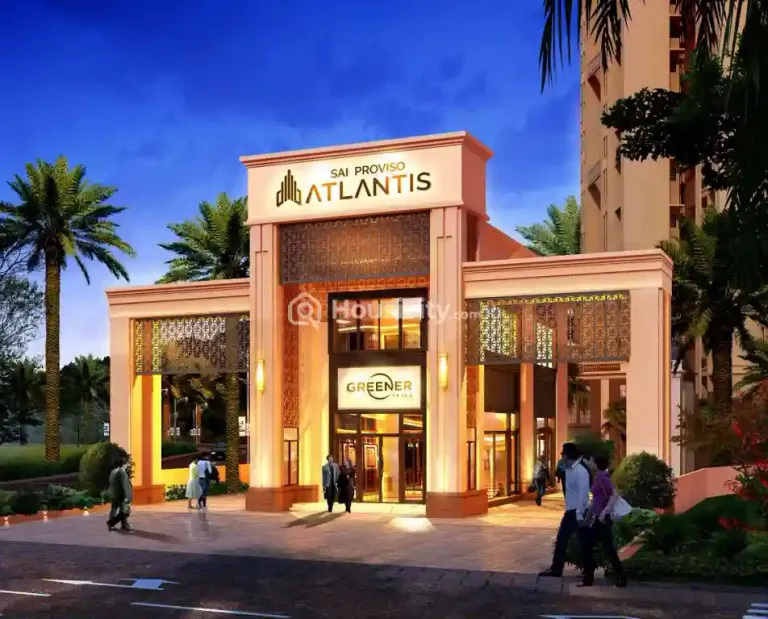
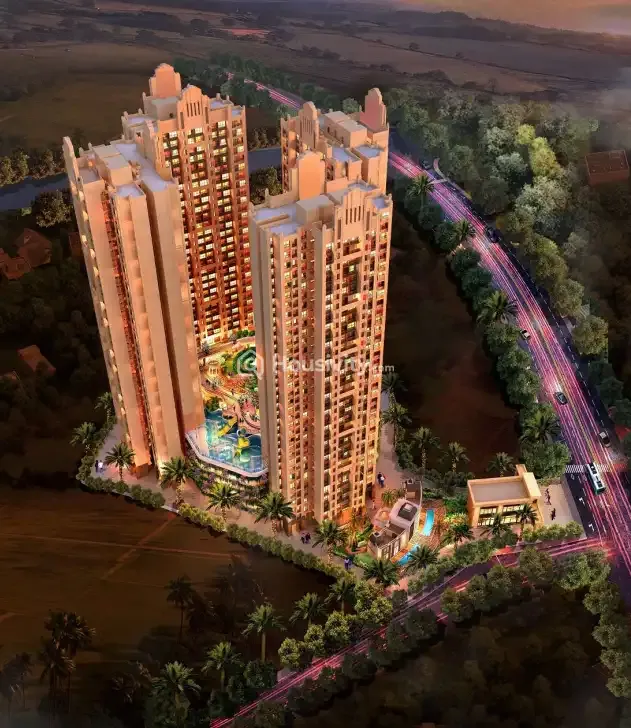
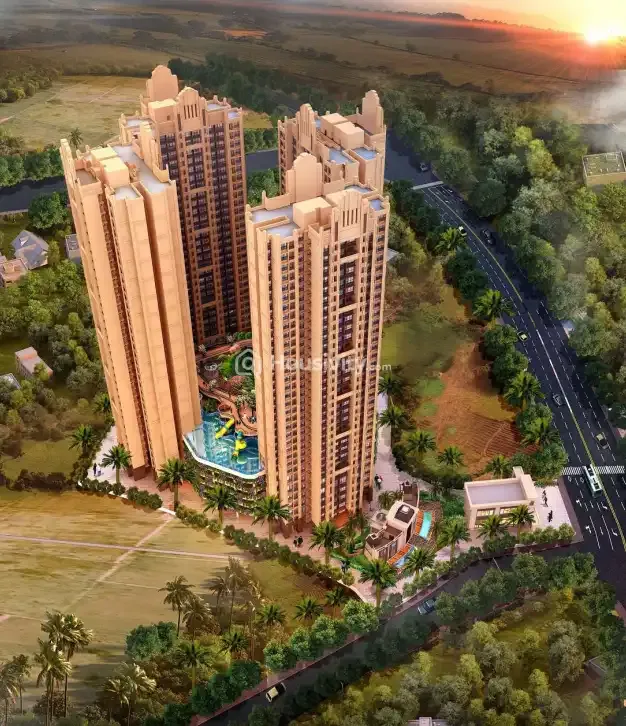
 FeaturedKharghar, Navi Mumbai
 Ready To Move
 LimelightPanvel, Navi Mumbai
 Ready To MoveFeaturedMulund West, Mumbai

 LimelightKanjurmarg East, Mumbai



 LimelightMulund West, Mumbai

 LimelightPushpak Nagar, Navi Mumbai




 Ready To MoveLimelightUlwe, Navi Mumbai
 LimelightUlwe, Navi Mumbai
 House for Sale in Sargasan