The Mumbai-Pune Expressway is India’s first six-lane, access-controlled highway offering safe and fast travel between Mumbai and Pune in about 2–2.5 hours. With fixed tolls, smooth roads, and strong safety features, it is the backbone of daily intercity travel. Beyond mobility, the expressway is one of Maharashtra’s strongest real estate growth corridors—driving residential, commercial, rental, and investment demand. Property prices near key exits have appreciated 25–30% in the last five years, making this corridor a prime choice for end-users and investors alike.
The Mumbai-Pune Expressway plays a dual role: it is both a mobility lifeline and a real estate growth engine. For homebuyers, it ensures seamless access to both cities and their employment hubs. For investors, it provides a stable corridor with consistent price appreciation, strong rental demand, and upcoming infrastructure expansions. Its controlled access, scenic ghats, and reliable travel time have significantly boosted the value of surrounding micro-markets such as Wakad, Hinjewadi, Baner, Kharadi, Panvel, and Tathawade.
The Mumbai-Pune Expressway reduces travel time between Mumbai and Pune from 4–5 hours to roughly 2–2.5 hours, thanks to its six-lane, access-controlled structure. Starting from Kalamboli in Navi Mumbai and ending at Kiwale near Pune, the expressway offers smooth gradients, divided lanes, safety cameras, and emergency services. With speed limits of 80–120 kmph, it ensures faster, safer, and more predictable intercity travel—making it the preferred route for daily commuters, tourists, logistics operators, and real estate buyers seeking reliable connectivity.
The expressway significantly enhances mobility due to:
| Feature | Details |
|---|---|
| Length | 94.5 km |
| Lanes | 6 lanes (3 each side) |
| Entry Point | Kalamboli, Navi Mumbai |
| Exit Point | Kiwale, Pune |
| Speed Limit | 80–120 kmph |
| Divider Width | 7 metres |
| Bikes Allowed | No |
| Completion Year | 2002 |
| Travel Time | ~2–2.5 hours |
The expressway’s reliability has improved the residential attractiveness of suburbs like Panvel, Kharghar, Wakad, Talegaon, Lonavala, and Baner.
The Mumbai-Pune Expressway was planned in the late 1990s to improve intercity travel and reduce congestion on the old NH4. The MSRDC executed the project in multiple phases from 1998 to 2002. Sections opened gradually, and the entire expressway became operational by April 2002. Today, authorities have proposed widening key stretches to 10 lanes to handle rising traffic and maintain efficient travel times.
Toll charges on the Mumbai-Pune Expressway are fixed and based on vehicle category. Cars pay approximately ₹320 for a one-way trip, while mini buses, heavy vehicles, and multi-axle trucks pay higher charges. The toll ensures high-quality road maintenance, safety systems, and expressway monitoring. Rates may vary slightly depending on your entry and exit points but remain transparent and predictable for regular travellers.
| Vehicle Type | From | To | Toll (₹) |
|---|---|---|---|
| Car | Khalapur | Talegaon | ₹320 |
| Mini Bus | Khalapur | Talegaon | ₹495 |
| Heavy-Axle Vehicle | – | Full Journey | ₹685 |
| Buses | – | Full Journey | ₹960 |
| Multi-Axle Truck | – | Full Journey | ₹1,630 |
The Mumbai-Pune Expressway has transformed the region into a powerful real estate corridor. Proximity to exits improves accessibility, which increases property values and rental demand. Locations such as Panvel, Kharghar, Wakad, Baner, Hinjewadi, Kharadi, and Talegaon have seen consistent growth due to IT hubs, industrial zones, and township developments. Property prices along the corridor have appreciated 25–30% in the last five years, making it a strong bet for investors and end-users seeking long-term gains.
Property prices near the Mumbai-Pune Expressway range between ₹6,000–₹11,200 per sq. ft., depending on the locality and property type. Rentals have also surged due to IT-driven demand, especially in Hinjewadi, Wakad, and Baner. Rents in micro-markets like Hinjewadi and Wagholi have increased 50–60% over the last three years. Investors can expect rental yields between 2.5–4.5%, with stronger yields in developing pockets and higher capital appreciation in established ones.
| Metric | Locality Examples | Figures |
|---|---|---|
| Average Property Price Range | Baner, Wakad, Kharadi, Viman Nagar | ₹6,000–₹11,200 per sq. ft. |
| Average Monthly Rent (1BHK) | Connected suburbs | ₹6,000–₹25,000 |
| Average Monthly Rent (2BHK) | IT-linked areas | ₹15,000–₹45,000 |
| Average Monthly Rent (3BHK) | Prime suburbs | ₹25,000–₹50,000+ |
| 5-Year Price Growth | Expressway micro-markets | 10–12% annually |
| Rent Growth (3 Years) | Hinjewadi, Wagholi | 50–60% |
| Rental Yield | Premium + developing pockets | 2.5–4.5% |
| Factor | Mature Areas (Wakad, Baner, Kharadi) | Developing Areas (Talegaon, Tathawade, Punawale) |
|---|---|---|
| Property Prices | Higher | Moderate |
| Rental Demand | Strong, IT-driven | Growing |
| Rental Yield | 2.5–3% | 3.5–4.5% |
| Price Appreciation | Stable | High future scope |
| Investor Profile | NRIs, long-term investors | Affordable segment investors |
The Mumbai-Pune Expressway is far more than a travel route; it is a thriving real estate spine shaping the future of both cities. With rapid infrastructure development, rising demand from IT and industrial corridors, and consistent price appreciation, this corridor continues to deliver strong value for homebuyers and investors. Whether you seek capital growth, rental income, or convenience, areas along the expressway offer excellent long-term prospects.
If you’re planning to buy, sell, or invest along the Mumbai-Pune growth belt, Housivity can help you make data-backed, profitable decisions. Contact us today to get personalized guidance.
 Frequently Asked Questions
 Subscribe now and be the first to receive insights that matter.


 Featured
 Kharghar, Navi Mumbai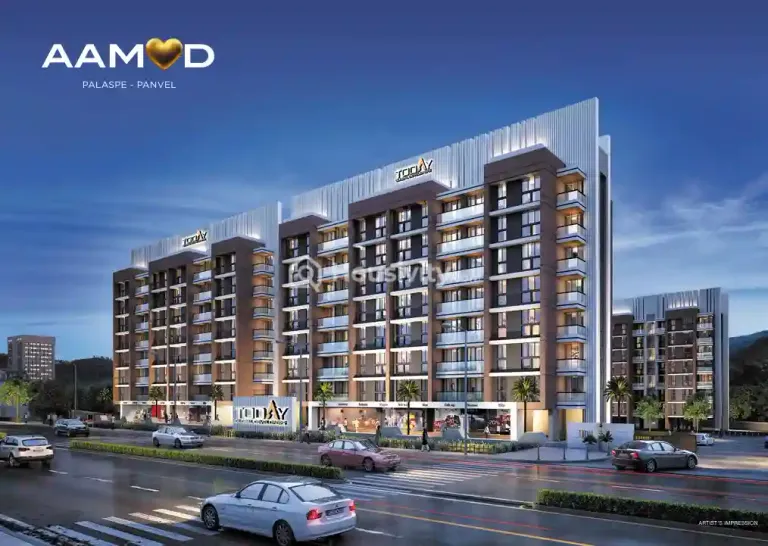
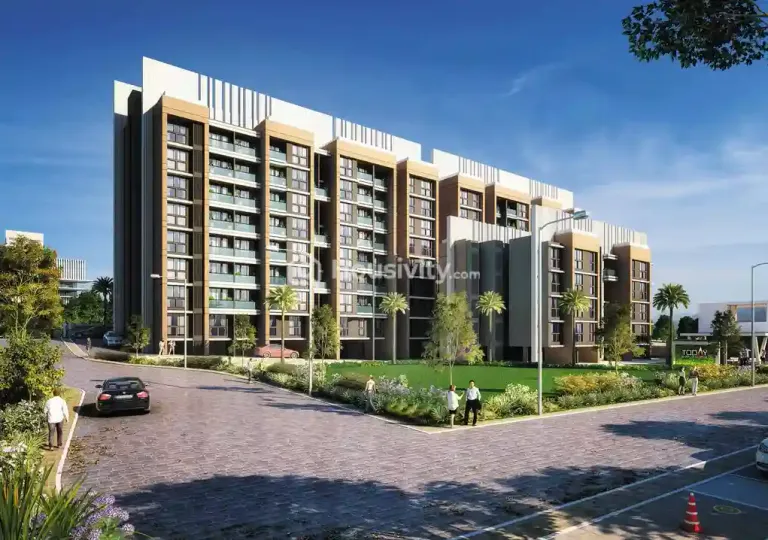
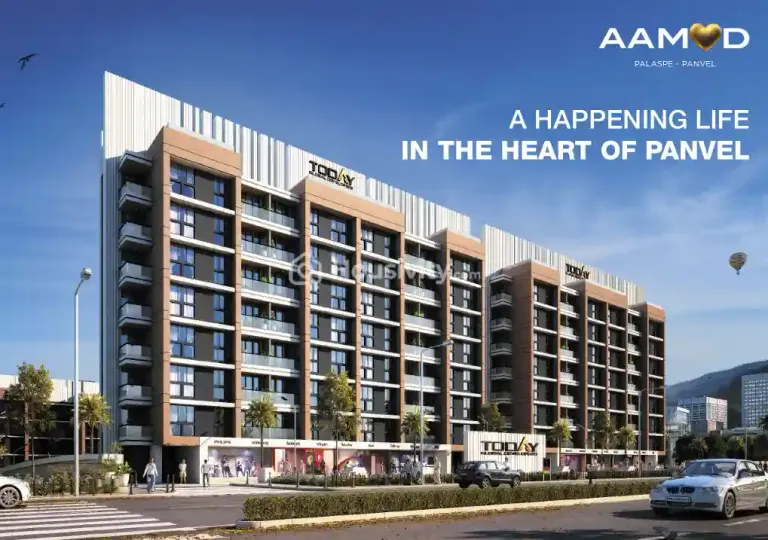
 Ready To Move
 LimelightPanvel, Navi Mumbai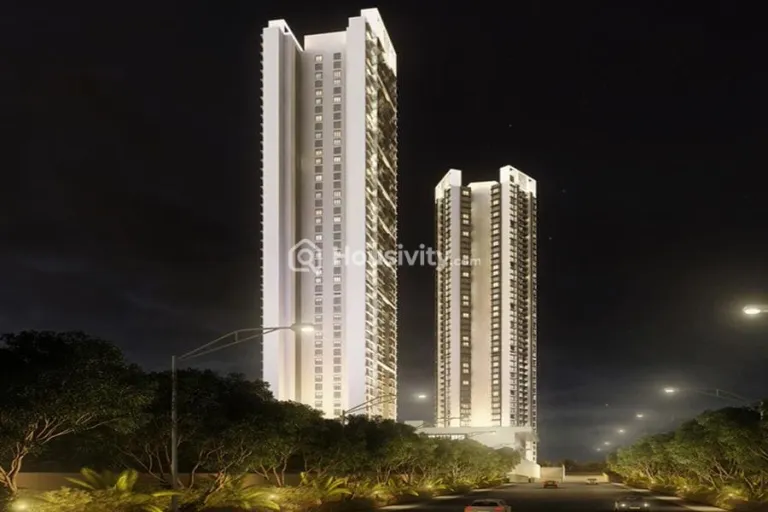
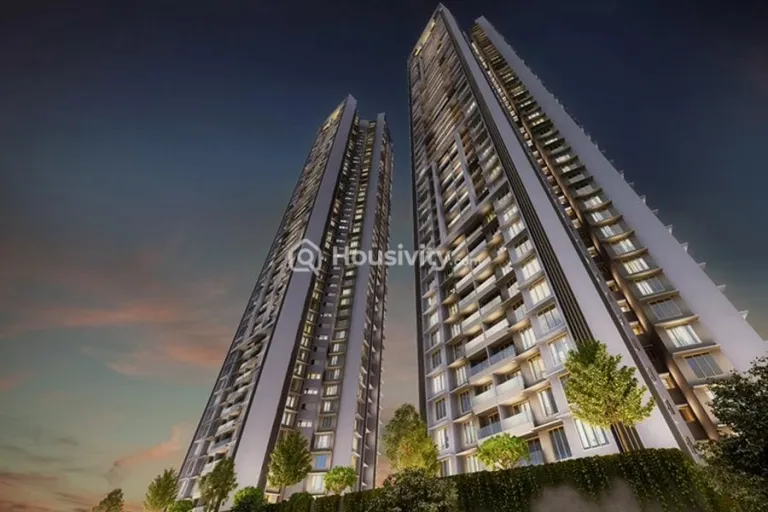
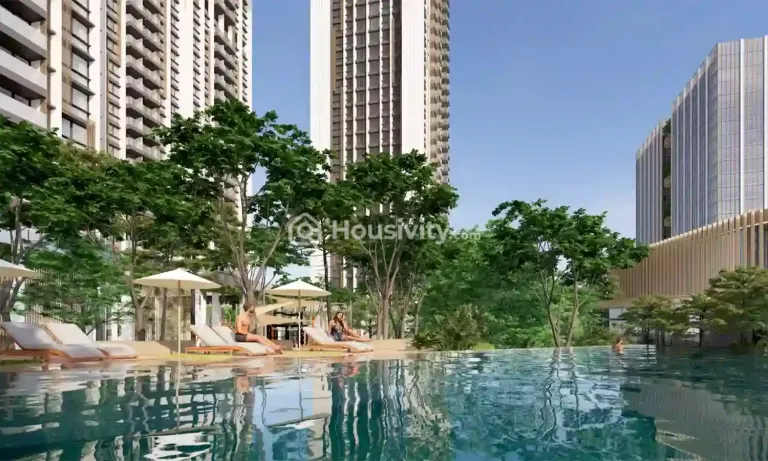
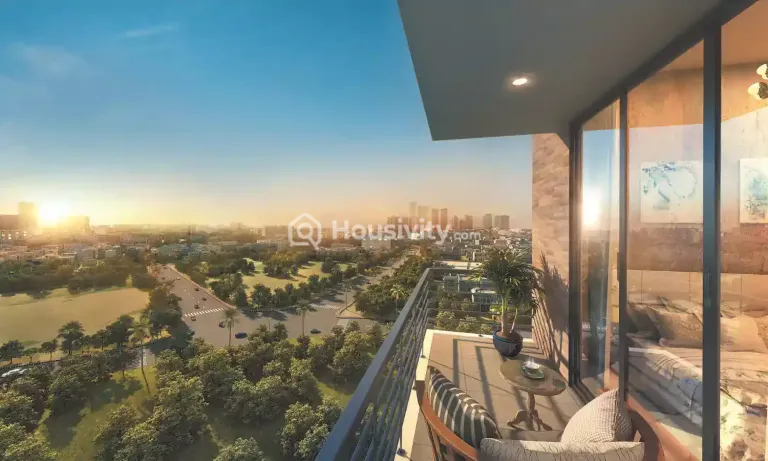


 Ready To MoveFeaturedMulund West, Mumbai




 FeaturedWadala East, Mumbai




 LimelightKanjurmarg East, Mumbai


 IconicAndheri West, Mumbai



 LimelightMulund West, Mumbai



 LimelightPushpak Nagar, Navi Mumbai
 Ready To MoveLimelightPushpak Nagar, Navi Mumbai
 House for Sale in Sargasan