CMA involves comparing a property with similar properties that have recently sold in the same area. This method provides a realistic market price based on actual transactions.

The cost approach calculates the value of a property by adding the cost of land to the cost of constructing the building, minus depreciation. It’s particularly useful for new properties and unique buildings that lack comparable sales.
The income approach estimates property value based on the income it generates. It’s commonly used for rental properties and commercial real estate, where future cash flow is a key valuation factor.
This method calculates the value of a property by multiplying the price per square foot by the total square footage of the property. It’s a straightforward and quick way to estimate property value but can be less accurate if not used alongside other methods.

CMA involves analyzing similar properties (comps) that have sold recently in the same area. Factors like size, age, condition, and location are considered to arrive at an estimated market value.
Pros:
Cons:
The cost approach calculates value based on the cost of building the property from scratch, including land value and construction costs, adjusted for depreciation.

Pros:
Cons:
The income approach evaluates property value based on the income it can generate. Future cash flows are discounted to present value to determine the property’s worth.
Pros:
Cons:
Price per square foot is calculated by dividing the property’s sale price by its total square footage. This method provides a quick reference but should be used in conjunction with other valuation methods for accuracy.
Pros:
Cons:
Location is a primary factor influencing property value. Proximity to amenities, schools, transport links, and the overall neighborhood appeal play significant roles.
The physical state of a property affects its value. Well-maintained properties typically command higher prices compared to those needing significant repairs.
Real estate market trends and economic conditions can cause property values to fluctuate. Understanding these trends helps in making accurate valuations.
The size of the property, number of rooms, and layout efficiency contribute to its value. Larger properties or those with functional layouts are generally more valuable.
Real estate agents bring local market knowledge and experience to the table. They can provide accurate CMAs and guide through the valuation process.
Selecting an agent with a strong track record and deep understanding of the local market is crucial. Their expertise can significantly influence the accuracy of your property valuation.
Many online tools offer quick property value estimates based on algorithms and databases of recent sales. These tools are convenient but should be used as a preliminary step.
Artificial Intelligence (AI) and machine learning are transforming property valuation. These technologies analyze vast amounts of data to provide more accurate and nuanced valuations.
Neglecting factors like property condition, local market trends, and unique property features can lead to inaccurate valuations.
While online tools are useful, they often lack the depth of a professional appraisal and can miss critical local factors.

Hiring a professional appraiser provides a detailed and unbiased property valuation. Their expertise ensures all factors are considered, leading to an accurate assessment.
Accurate Valuation: A property in a high-demand area was accurately valued using a combination of CMA and professional appraisal, leading to a quick sale at market price.
Inaccurate Valuation: A property solely valued using online tools was overpriced, resulting in it sitting on the market for months without offers.
Understanding property valuation is key to successful real estate transactions. By employing various valuation methods and considering all influencing factors, you can ensure accurate and fair property assessments. Whether you’re a buyer, seller, investor, or lender, accurate property valuation is indispensable.
 Frequently Asked Questions
 Subscribe now and be the first to receive insights that matter.









.webp?w=768)
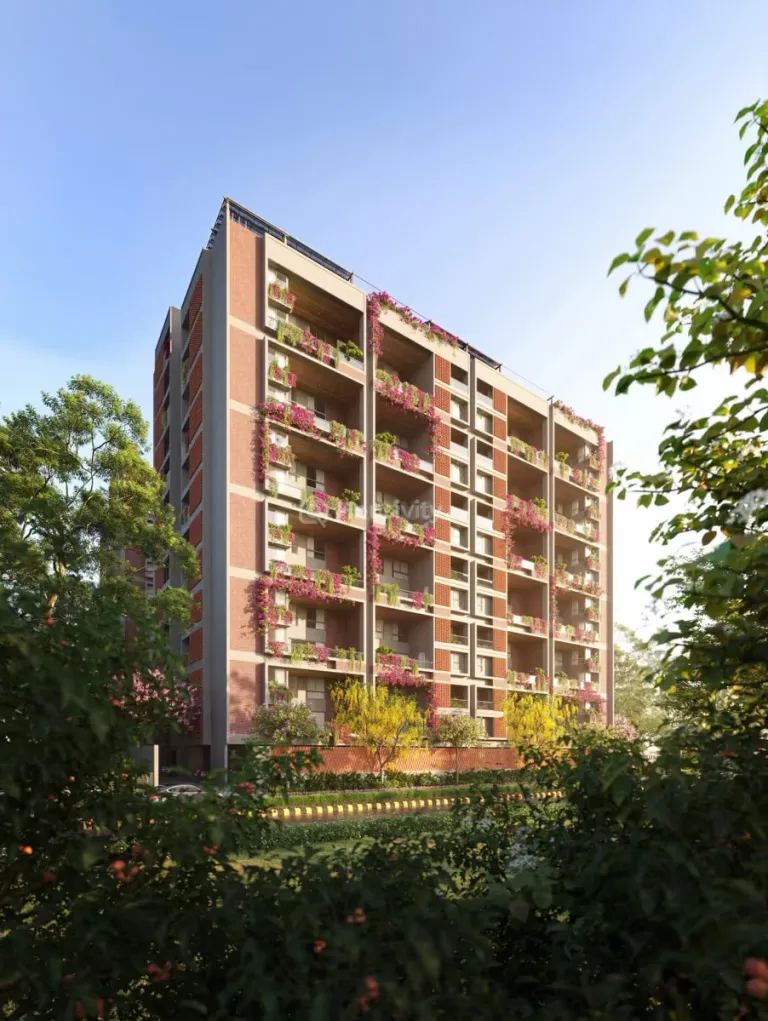
 Randesan, Gandhinagar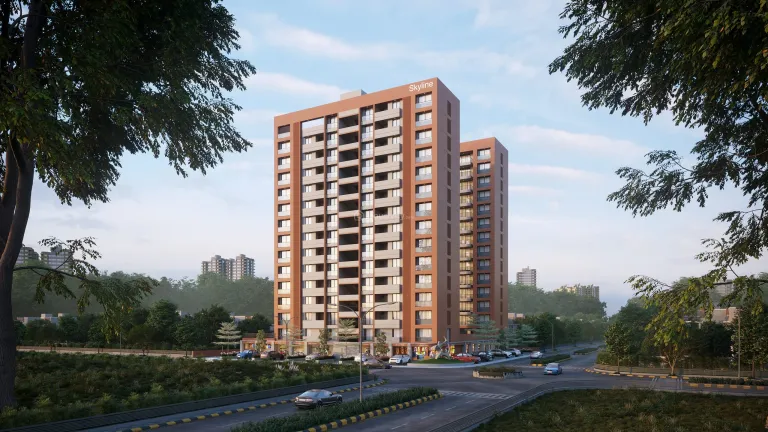








 Ready To MoveSargasan, Gandhinagar









 Sargasan, Gandhinagar











 DTA, Gift City
 House for Sale in Sargasan