Investing in silver currently offers higher short-term liquidity and explosive growth potential compared to the stable but slow-moving real estate market. While silver has surged by over 270% in the past year, reaching record highs of Rs 3.75 lakh per kg, real estate remains a long-term hedge with average annual returns of 5% to 7%. For investors seeking rapid capital appreciation in a volatile 2026 economy, silver is a compelling choice, whereas real estate is better suited for those prioritizing rental income and physical security.
Silver is experiencing a parabolic rise because it serves a dual purpose as both a precious metal and a critical industrial commodity. Unlike gold, which is primarily a store of value, silver is indispensable in the green energy transition, specifically for solar panels and electric vehicle components. In 2026, a structural supply deficit has emerged as global demand exceeds mining output for the fifth consecutive year, driving prices to unprecedented levels.
The metal has outperformed almost every other asset class this year, including gold and equities. Investors are flocking to silver as a hedge against geopolitical instability and currency fluctuations. Furthermore, the silver market is much smaller and more volatile than the gold market, meaning even moderate increases in investment flow can lead to massive price swings. This high volatility is exactly what attracts traders looking for significant gains in a short timeframe.
Real estate remains the bedrock of traditional wealth, offering tangible security and the unique advantage of passive rental income. While silver prices can fluctuate wildly daily, real estate values tend to move at a measured pace, providing a smoother investment curve. In the current 2026 landscape, premium residential segments are seeing strong demand, but the entry barrier remains significantly higher than that of silver.
You can start investing in silver with just a few thousand rupees through digital silver or ETFs, but real estate requires substantial capital or high-interest mortgage loans. However, real estate offers tax benefits and the ability to leverage your investment, which precious metals do not provide. For an investor, the choice often depends on whether they need the “quick cash” liquidity of silver or the “generational wealth” stability of a physical property.
| Feature | Silver Investment | Real Estate Investment |
| Entry Cost | Very Low (Digital/Coins) | High (Down payments/Registration) |
| Liquidity | High (Sell instantly) | Low (Takes months to sell) |
| Returns (2025-26) | 270%+ (Explosive) | 8% – 15% (Steady) |
| Income Type | Capital Gains Only | Rental Income + Capital Gains |
| Maintenance | Zero (if digital) | High (Taxes, repairs, society fees) |
How High Precious Metal Prices Impact Homebuyer Affordability
Yes, silver is significantly more volatile than real estate, making it a “high risk, high reward” asset class. In 2026 alone, we have seen silver prices move by 5% to 10% in a single trading session. Real estate, by contrast, takes years to see such shifts in value. This volatility means that while you can double your money quickly in silver, you can also see a sharp correction if industrial demand slows or interest rates rise.
Real estate volatility is usually localized, meaning a specific neighborhood might see a price drop while the rest of the city remains stable. Silver is a global commodity, so its price is affected by international news, trade wars, and Federal Reserve decisions. For investors who cannot stomach seeing their portfolio value drop overnight, real estate is a much calmer investment.
| Investment Aspect | Silver | Real Estate |
| Daily Price Changes | Common and Large | Virtually Non-existent |
| Global Influence | Very High | Low to Moderate |
| Risk of Total Loss | Very Low (Intrinsic Value) | Low (Market Crashes) |
| Emotional Stress | High (Tracking prices) | Low (Long-term view) |
Industrial demand is the primary engine behind silver’s current outperformance of real estate and gold. Over 50% of all silver produced is used in industrial applications, including electronics, medical technology, and renewable energy. As the world pushes toward net-zero emissions by 2030, the requirement for silver in solar photovoltaic cells has reached an all-time high in 2026.
This industrial “floor” provides silver with a safety net that traditional real estate does not have. If the housing market cools down due to high interest rates, silver may still stay strong because factories need it to manufacture essential goods. However, if a global recession hits and manufacturing slows down, silver can fall harder than real estate because its utility is tied to economic activity.
The Silver Shortage Ripple Effect: How Industrial Demand is Raising Construction Costs
Historically, real estate has been a more consistent wealth builder for the average family because it encourages “forced savings” through mortgage payments. While silver can have decade-long periods of stagnation, real estate typically appreciates alongside inflation and population growth. In 2026, as urbanization accelerates in emerging economies, land remains a finite resource that silver cannot replace.
If you factor in the rental yield, which usually ranges from 2% to 4% for residential and up to 8% for commercial properties, the total return on real estate often competes well with precious metals over a 20 year horizon. Real estate also allows for “value add” opportunities, such as renovating a property to increase its worth, a feature that is impossible with a fixed asset like a silver bar.
Most financial experts in 2026 recommend a “core and satellite” strategy for portfolio construction. This involves keeping 70% to 80% of your wealth in stable assets like real estate or index funds (the core) and allocating 5% to 10% to high-growth assets like silver (the satellite). This way, you benefit from the explosive rallies in silver without risking your entire net worth on a volatile metal.
Diversification is especially important now because silver is trading at record highs. Buying silver at the “peak” can be risky, so many investors are choosing to “ladder” their purchases—buying small amounts over time. Similarly, fractional real estate ownership and REITs (Real Estate Investment Trusts) now allow investors to gain exposure to property markets with smaller amounts of capital, bridging the gap between the two asset classes.
Deciding whether silver is a better investment than real estate right now depends entirely on your financial goals and risk tolerance. If you are looking for explosive growth and the ability to exit your position quickly, silver’s current rally in 2026 makes it an attractive tactical play. However, if your goal is to build a steady, income-generating foundation for your family, the physical security and rental potential of real estate remain unmatched.
The ideal approach in today’s market is not to choose one over the other, but to leverage both. By using silver to capture short term industrial gains and real estate to anchor your long term wealth, you can create a resilient portfolio that survives both market volatility and economic shifts. As silver breaches the Rs 4 lakh mark, caution is advised, but the underlying industrial demand suggests that its “glitter” is far from fading.
 Frequently Asked Questions
 Subscribe now and be the first to receive insights that matter.











 Popular
 Shela, Ahmedabad

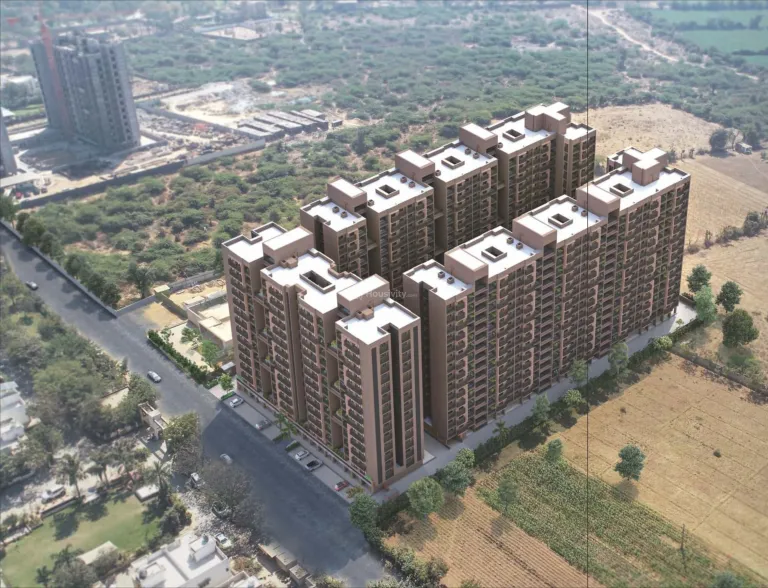
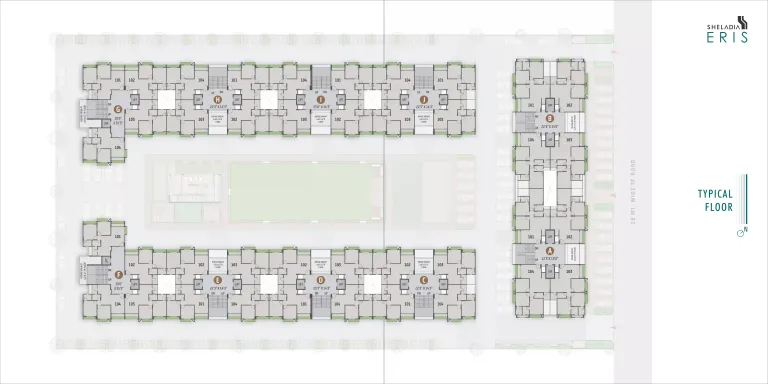
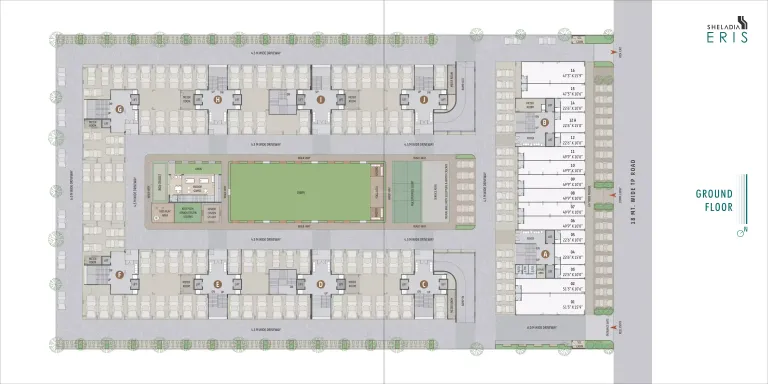
 Ready To Move
 FeaturedShela, Ahmedabad

 Maninagar, Ahmedabad

 Ready To Move
 LimelightPanvel, Navi Mumbai





 Ready To MoveFeaturedMulund West, Mumbai










 IconicAndheri West, Mumbai







 LimelightMulund West, Mumbai
 Ready To MoveLimelightPushpak Nagar, Navi Mumbai
 House for Sale in Sargasan