When buying a property in Mumbai, understanding the costs associated with registration and stamp duty is crucial. These charges can significantly impact your overall budget, and they vary depending on the property’s value, location, and type. Whether you’re investing in a residential or commercial property, knowing how these fees are structured can help you plan your finances better.

In this guide, we’ll break down the registration charges and stamp duty rates in Mumbai, compare them to other cities in Maharashtra, and explain how they differ for properties above and below Rs 30 lakh. Let’s dive in!
Property registration charges in Mumbai are structured differently based on the property’s market value. Here’s a detailed breakdown:
For properties valued above Rs 30 lakh, the registration charge is a fixed amount of Rs 30,000. This flat fee applies to both residential and commercial properties, ensuring a standardized process for high-value transactions.
For properties valued below Rs 30 lakh, the registration charge is 1% of the property’s market value. This lower rate makes it more affordable for buyers investing in smaller properties.
The difference in registration charges ensures that buyers of smaller properties aren’t burdened with high fees, while larger transactions contribute a fixed amount. This system promotes fairness and encourages investments across all property segments.
Stamp duty rates in Mumbai are influenced by the property’s location. Here’s how they vary across different areas:

Urban areas like South Mumbai and suburban regions like Bandra and Andheri fall under this category. These areas have higher stamp duty rates due to their prime locations and high property values.
Areas like Thane, Kalyan, and Mira-Bhayandar fall under this category. The rates are slightly lower compared to urban areas, making them more affordable for buyers.
Rural areas within the Mumbai Metropolitan Region (MMR) have the lowest stamp duty rates, encouraging development in these regions.
The stamp duty rates in Mumbai vary significantly between residential and commercial properties. Here’s a comparison:
Residential properties enjoy lower stamp duty rates, especially for female buyers, as the government aims to promote homeownership.

Commercial properties attract higher stamp duty rates due to their higher market value and income-generating potential.
Mumbai’s stamp duty rates are relatively lower compared to other major cities in Maharashtra. Here’s a comparison:

Despite being India’s financial capital, Mumbai’s stamp duty rates are lower than those of cities like Pune and Nagpur. This is likely due to the city’s already high property values and the government’s efforts to make property transactions more accessible.
Understanding the registration charges and stamp duty rates in Mumbai is essential for anyone looking to invest in property. Whether you’re buying a residential or commercial property, these costs can significantly impact your budget. By knowing how these charges are structured and exploring ways to save, you can make informed decisions and optimize your investment.
Mumbai’s property market offers opportunities for all types of buyers, from affordable homes in rural areas to luxury apartments in prime locations. With the right knowledge and planning, you can navigate the complexities of property registration and stamp duty with ease.
So, are you ready to make your dream of owning a property in Mumbai a reality? Start by calculating your registration and stamp duty costs today!
 Frequently Asked Questions
 Disclaimer: The information presented in this article is compiled from publicly available sources and media reports and is provided solely for informational purposes. It should not be considered official financial, legal, or regulatory advice. Any images, addresses, or related details are shared in accordance with publicly available information and reporting practices, without any intention to infringe upon personal privacy.
Subscribe now and be the first to receive insights that matter.














 Ready To Move
 Sargasan, Gandhinagar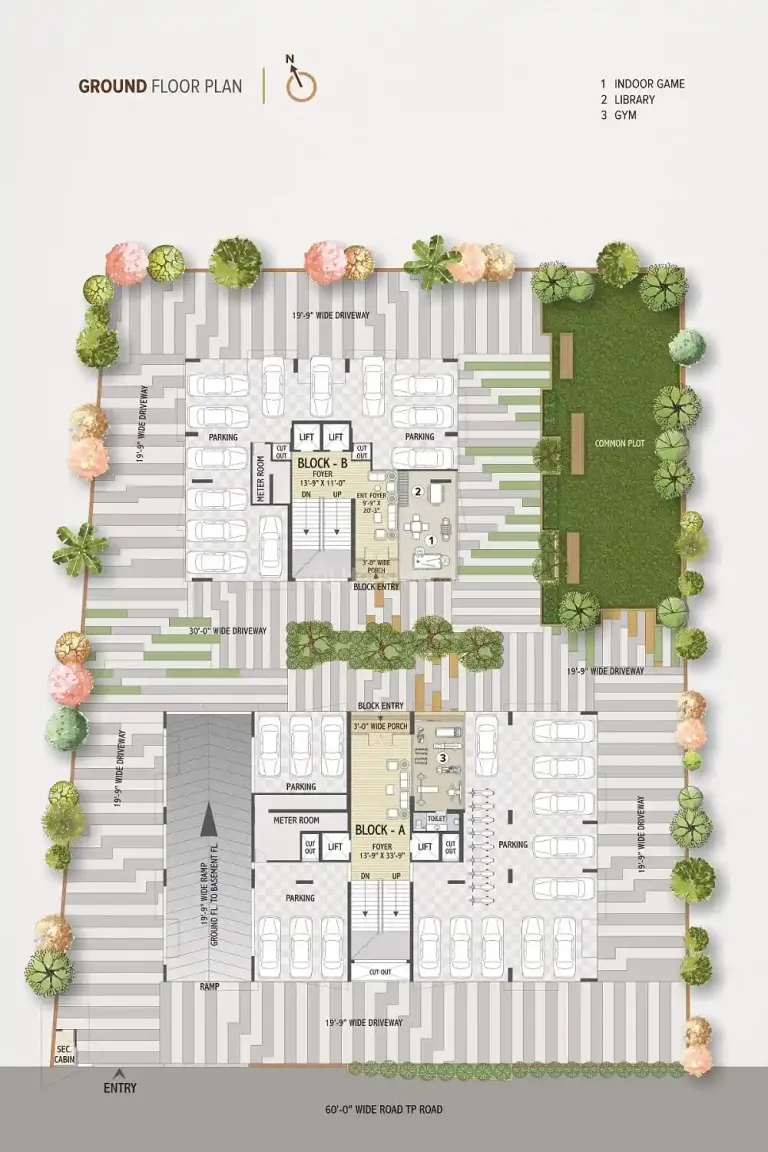



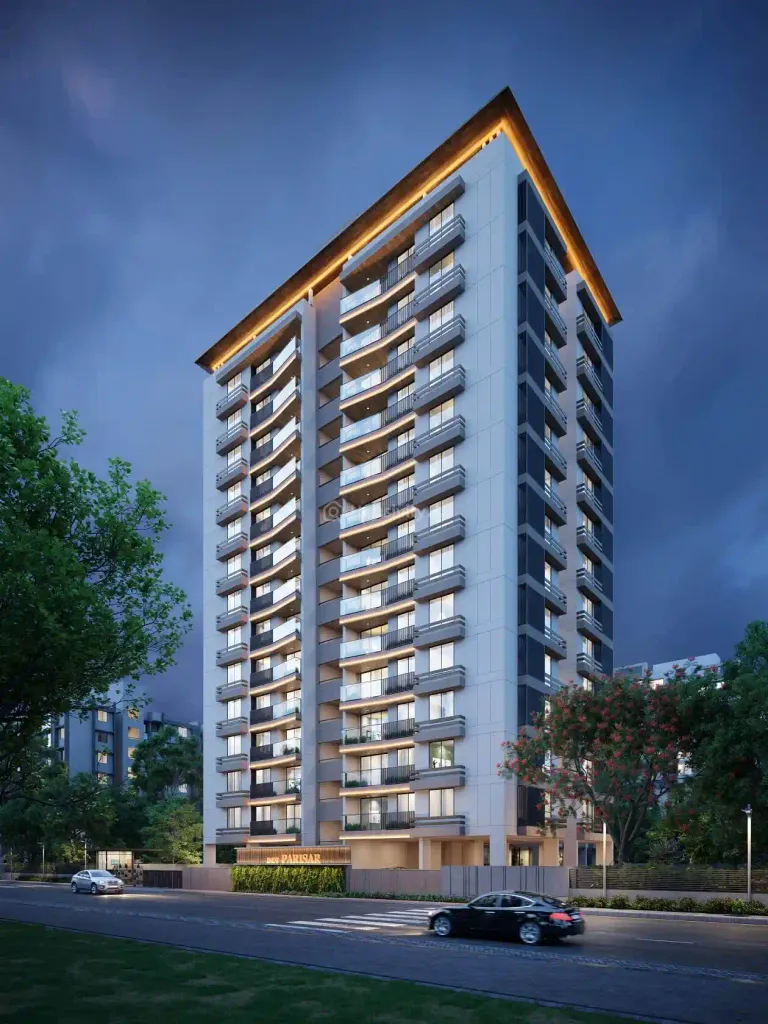
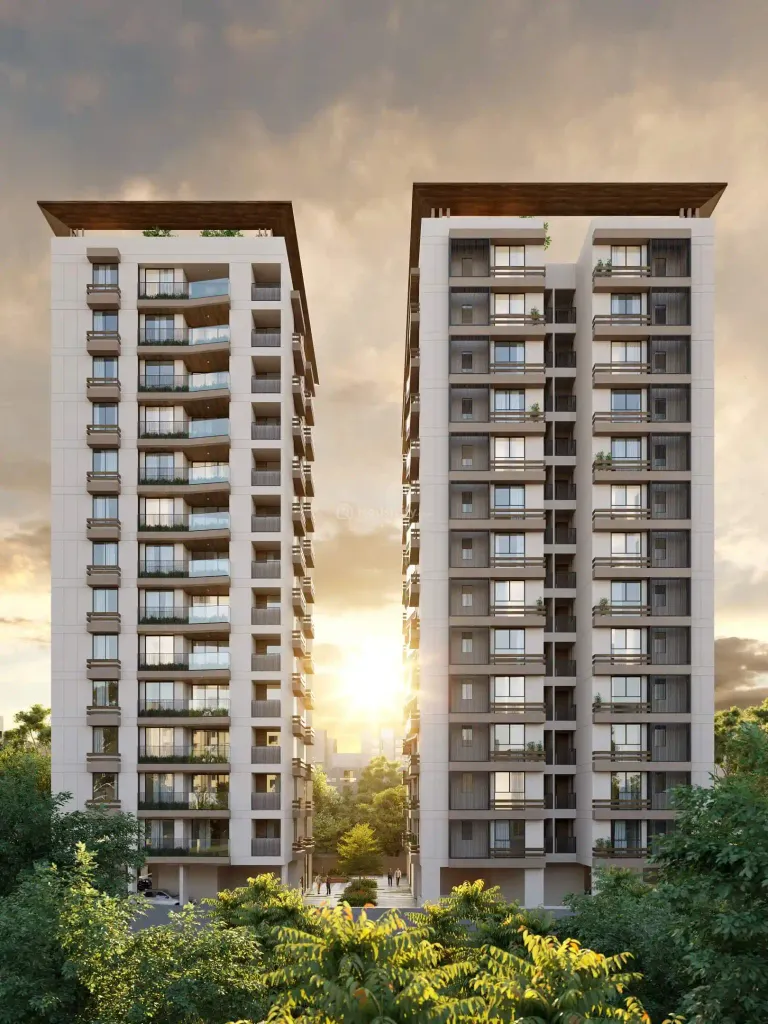
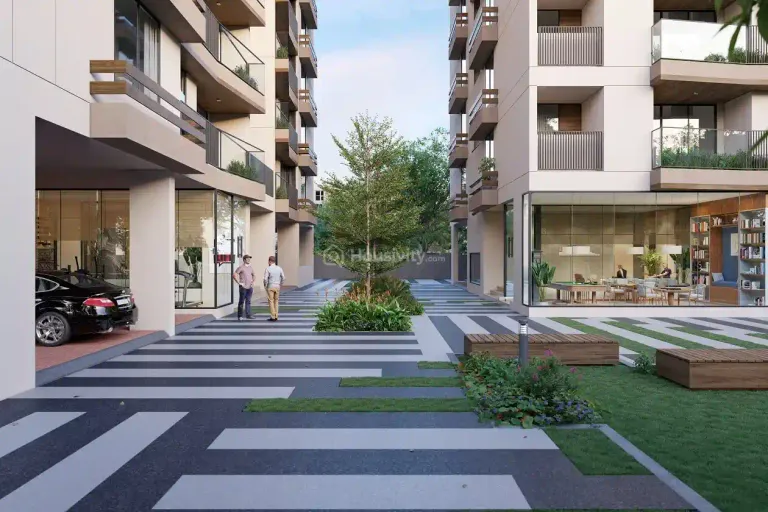
.webp?w=768)


 Ready To MoveKudasan, Gandhinagar






 FeaturedShela, Ahmedabad



 Ready To Move
 PopularShela, Ahmedabad

 Ready To Move
 LimelightPanvel, Navi Mumbai



 LimelightPushpak Nagar, Navi Mumbai
 Ready To MoveLimelightPushpak Nagar, Navi Mumbai





 Ready To MoveLimelightUlwe, Navi Mumbai
 House for Sale in Sargasan