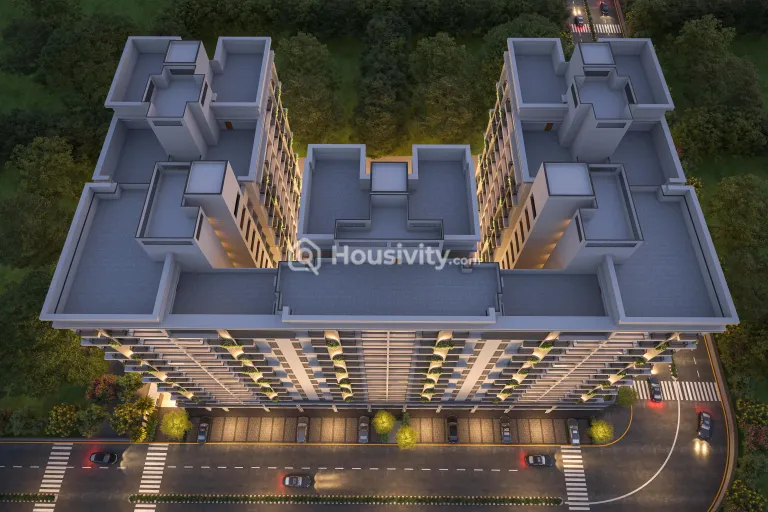
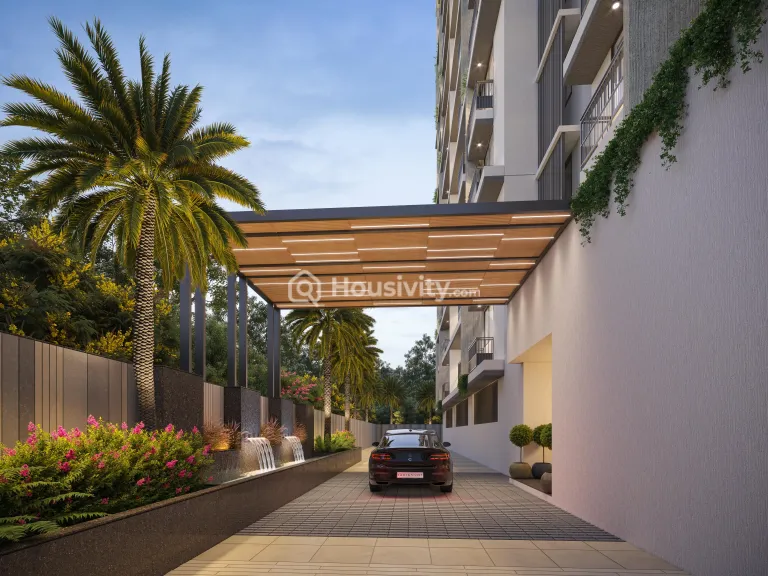
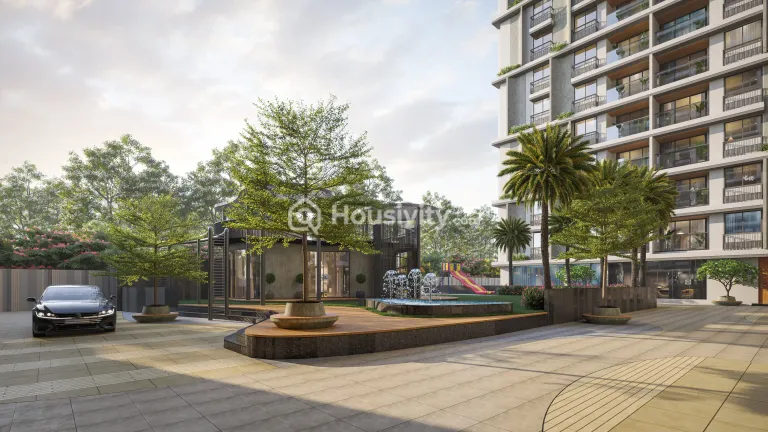
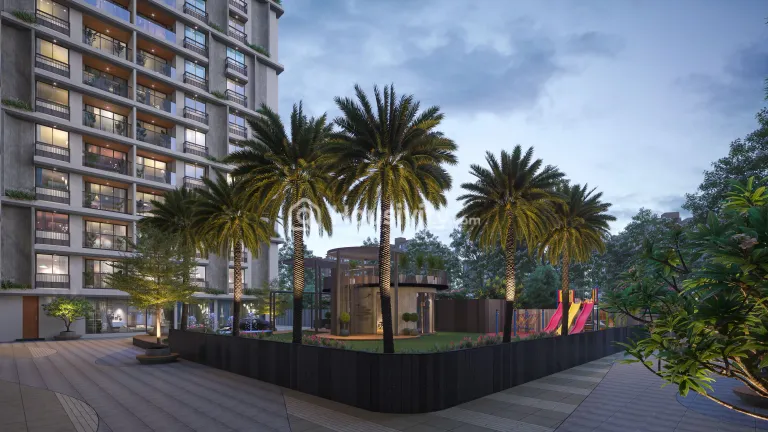
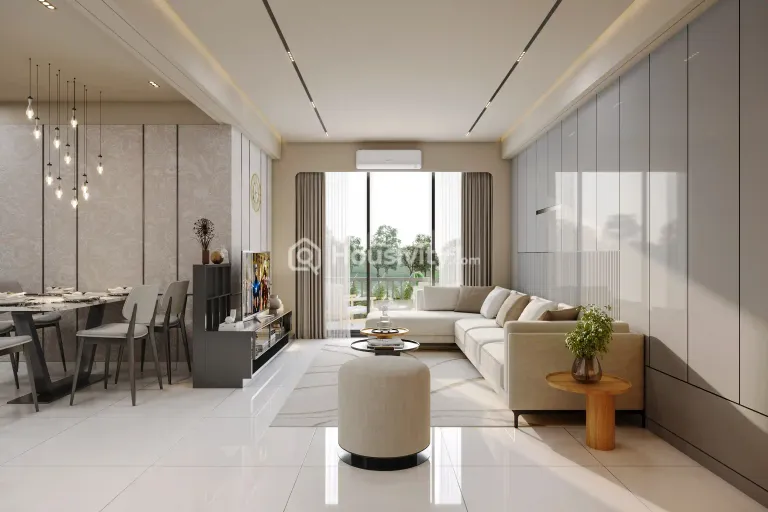
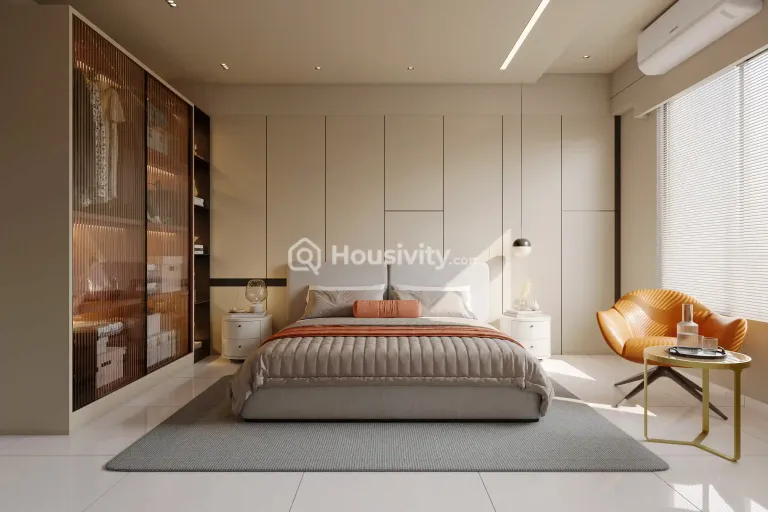
UP RERA has approved 16 new real estate projects across nine districts in Uttar Pradesh with a total investment of over ₹3,200 crore, adding nearly 3,845 residential, commercial, and mixed-use units to the market. Lucknow leads with the highest value approvals, followed by Agra, Moradabad, and Ghaziabad. This move signals strong regulatory confidence, balanced urban development, and improved transparency for buyers and investors. For homebuyers, it expands housing choices, while investors gain access to regulated, investment-ready assets across emerging and established cities.
Introduction
The Uttar Pradesh real estate market is entering a decisive growth phase, backed by regulatory clarity and region-focused planning. The recent approval of 16 new projects by the Uttar Pradesh Real Estate Regulatory Authority reinforces the state’s commitment to organized and transparent development. Spread across nine districts, these projects cover residential, commercial, and mixed-use formats, reflecting a diversified growth strategy rather than metro-centric expansion alone.
For homebuyers, this translates into more options across affordable, mid-segment, and lifestyle housing. For investors and NRIs, it signals lower regulatory risk, better project monitoring, and opportunities in both high-demand urban centers and emerging cities. This article breaks down district-wise approvals, investment value, market impact, and what this development realistically means for buyers, investors, and long-term stakeholders in Uttar Pradesh real estate.
Latest News Update
- UP RERA has strengthened compliance monitoring for newly approved projects, ensuring milestone-based disclosures and timely construction progress updates for buyers.
- Developers in Lucknow and Ghaziabad are aligning new commercial projects with modern office formats, integrated retail, and flexible workspaces to meet evolving demand.
- Residential-focused districts such as Moradabad and Bareilly are seeing renewed interest from regional developers targeting mid-income and first-time homebuyers.
- Mixed-use developments approved in Lucknow and Agra are designed to reduce commute dependency by combining housing, retail, and office spaces within single campuses.
How significant is UP RERA’s approval of 16 projects worth ₹3,200 crore?
This approval is significant because it reflects both regulatory confidence and sustained developer interest across Uttar Pradesh. A ₹3,200 crore pipeline across multiple districts reduces market concentration risk and signals long-term urban planning rather than speculative growth.
UP RERA approvals matter because projects cannot legally market or sell without registration. When a large number of projects receive clearance together, it indicates stronger documentation, clearer land titles, and better financial planning by developers. This protects homebuyers from stalled or non-compliant developments.
From an economic lens, these projects will generate direct construction jobs and indirect demand in cement, steel, logistics, banking, and interior services. The scale also improves housing supply, which helps stabilize prices rather than causing sharp spikes. For investors, regulated supply improves exit visibility and rental market stability.
Which districts received approvals and how is the investment distributed?
Lucknow received the highest share with six projects worth over ₹2,154 crore, followed by Moradabad, Agra, Bareilly, and Ghaziabad. Smaller cities like Jhansi, Aligarh, Prayagraj, and Mathura Vrindavan also received residential-focused approvals.
District-wise project snapshot
| District |
Project Type Mix |
Investment Value ₹ crore |
Units Approved |
| Lucknow |
Residential, Commercial, Mixed use |
2,154.69 |
1,406 |
| Agra |
Residential and Mixed use |
200.69 |
668 |
| Ghaziabad |
Commercial |
74.18 |
210 |
| Moradabad |
Residential |
516.34 |
544 |
| Bareilly |
Residential |
104.00 |
454 |
| Aligarh |
Residential |
77.47 |
142 |
| Jhansi |
Residential |
16.26 |
220 |
| Mathura Vrindavan |
Residential |
50.48 |
127 |
| Prayagraj |
Residential |
6.05 |
74 |
This distribution highlights UP RERA’s intent to balance metro growth with tier two and tier three city development, ensuring infrastructure and housing demand grow together.
Why does Lucknow dominate the approvals and what does it signal?
Lucknow’s dominance reflects its role as Uttar Pradesh’s administrative, education, and emerging commercial hub. The mix of residential, commercial, and mixed-use projects shows demand beyond housing alone.
Lucknow benefits from strong infrastructure drivers such as the outer ring road, Gomti Nagar extensions, IT City zones, and expanding metro connectivity. Commercial approvals indicate rising demand for office spaces, retail hubs, and business parks, not just residential colonies.
For buyers, this means better lifestyle ecosystems with schools, hospitals, malls, and offices developing together. For investors, Lucknow offers relatively affordable entry prices compared to NCR while delivering steady rental yields ranging between 3.5 and 5 percent in prime locations.
How do these approvals impact homebuyers across Uttar Pradesh?
Homebuyers benefit from increased choice, regulatory protection, and improved price stability. With most approvals being residential, supply will better match genuine housing demand.
UP RERA oversight ensures escrow compliance, construction timelines, and disclosure norms, reducing buyer risk. Cities like Bareilly, Moradabad, and Jhansi will see more organized housing options rather than fragmented local developments.
Affordable and mid-segment buyers gain the most, especially first-time homeowners. Increased supply also limits artificial price inflation. Buyers should still assess developer track record, location infrastructure, and unit configuration rather than assuming all approved projects are equal in quality.
What opportunities do investors and NRIs gain from these projects?
Investors gain access to regulated assets with better exit visibility and rental potential across multiple cities rather than relying only on NCR or Noida.
Commercial projects in Ghaziabad and Lucknow offer stable lease demand from IT, retail, and service sectors. Residential projects in Moradabad and Bareilly appeal to end users, ensuring lower vacancy risk.
Residential vs Commercial investment comparison
| Factor |
Residential Projects |
Commercial Projects |
| Entry ticket |
Lower |
Higher |
| Rental yield |
2.5 to 4 percent |
6 to 9 percent |
| Liquidity |
High |
Medium |
| Risk profile |
Lower |
Moderate |
| Ideal for |
Homebuyers, long-term investors |
HNIs, NRIs, portfolio diversification |
NRIs seeking compliance friendly investments will find UP RERA registered projects easier to manage remotely due to mandated disclosures.
How do mixed-use developments change urban living patterns?
Mixed-use projects reduce travel dependency by integrating homes, offices, retail, and leisure spaces within one development.
Approved mixed-use projects in Lucknow and Agra support walk-to-work lifestyles, lower commute stress, and higher land efficiency. These formats also attract young professionals and businesses seeking integrated ecosystems.
From an investment perspective, mixed-use developments offer diversified income streams. Retail and office components hedge against residential market cycles, making them attractive for long term investors.
How does UP RERA ensure accountability and timely delivery?
UP RERA enforces milestone-based reporting, escrow accounts for buyer funds, and strict penalties for delays or non-compliance.
Developers must update construction progress regularly and cannot divert project funds. Buyers can track project status online and raise complaints directly with the authority.
This regulatory framework builds trust, improves project completion rates, and discourages speculative launches. Over time, this increases institutional interest and strengthens Uttar Pradesh’s real estate credibility at a national level.
What infrastructure and economic benefits will these projects generate?
These projects will stimulate job creation, improve urban infrastructure, and support allied industries across the state.
Construction activity boosts demand for raw materials, logistics, and skilled labor. Completed projects increase municipal revenues and justify further investment in roads, public transport, and utilities.
Cities like Agra and Mathura, and Vrindavan also benefit from tourism-linked housing demand, while commercial hubs support service sector expansion. The ripple effect extends beyond real estate into education, healthcare, and retail.
Key Takeaways
- UP RERA approved 16 projects worth over ₹3,200 crore across nine districts
- Nearly 3,845 new residential, commercial, and mixed-use units were added
- Lucknow leads in investment value and project diversity
- Strong benefits for homebuyers through regulated supply and price stability
- Investors gain diversified opportunities beyond NCR-focused markets
- Mixed-use projects support modern urban living and employment growth
Conclusion
UP RERA’s approval of 16 real estate projects worth over ₹3,200 crore marks a strong step toward structured and balanced urban growth in Uttar Pradesh. By spreading development across metros and emerging cities, the authority is addressing housing demand, commercial expansion, and employment generation together. For homebuyers, this means safer choices and better value. For investors and NRIs, it opens diversified opportunities in a regulated environment with long-term growth visibility.
Disclaimer: This content is for informational purposes only and does not constitute legal or investment advice. Project details may change as per UP RERA updates. Readers should verify information independently before making any property decisions.
 Reals
Reals


 Frequently Asked Questions
  House for Sale in Sargasan




 Featured
 Shela, Ahmedabad

 Limelight