The landscape of Indian real estate is currently facing an unexpected challenge from thousands of miles away. The escalating conflict in West Asia is no longer just a geopolitical concern; it has become a direct financial pressure on the Indian housing market. From disrupted shipping lanes to skyrocketing raw material costs, the “ripple effect” of the war is reaching construction sites from Mumbai to Bengaluru.
The primary driver of the current crisis is the near-total traffic standstill at the Strait of Hormuz. As a critical artery for 20% of the world’s oil and massive volumes of industrial commodities, the recent military strikes on February 28 have left over 150 vessels stranded.
For the Indian construction sector, this means:
Developers across India’s biggest housing markets are witnessing a sharp spike in the “Big Three” of construction: Steel, Aluminium, and Polymers.
| Material | Price Increase | Current Estimated Rate |
| Steel | ~20% Increase | ₹72,000 per tonne |
| Aluminium | Sharp Climb | ₹3.5 Lakh per tonne |
| Polypropylene | +₹35,000 | Per Metric Tonne |
| Electrical/Copper | ~20% Jump | Varies by region |
In Mumbai, the country’s largest high-rise market, the spike in steel prices alone is estimated to add ₹50 per square foot to the total construction cost. Similar inflationary pressures are being felt in the Delhi-NCR and Bengaluru residential hubs.
US–Israel–Iran Conflict • Rental Surge • Mumbai Hotspots
The crisis isn’t limited to metals. The downstream effects are hitting specific manufacturing hubs within India:
Leading industry bodies and developers have issued a collective warning: if hostilities persist, the end consumer will inevitably bear the cost.
The West Asia war has served as a stark reminder of how interconnected the global economy and the Indian real estate market have become. While Indian developers have shown resilience by relying on domestic supply chains, the sheer magnitude of the increase in steel and energy costs is difficult to absorb without price corrections.
For homebuyers, this means the window for “locked-in” prices may be closing. As construction costs rise by significant margins per square foot, the dream of homeownership in 2026 may carry a slightly higher price tag than initially anticipated.
 Frequently Asked Questions
 Subscribe now and be the first to receive insights that matter.


 Ready To Move
 Limelight
 Panvel, Navi Mumbai



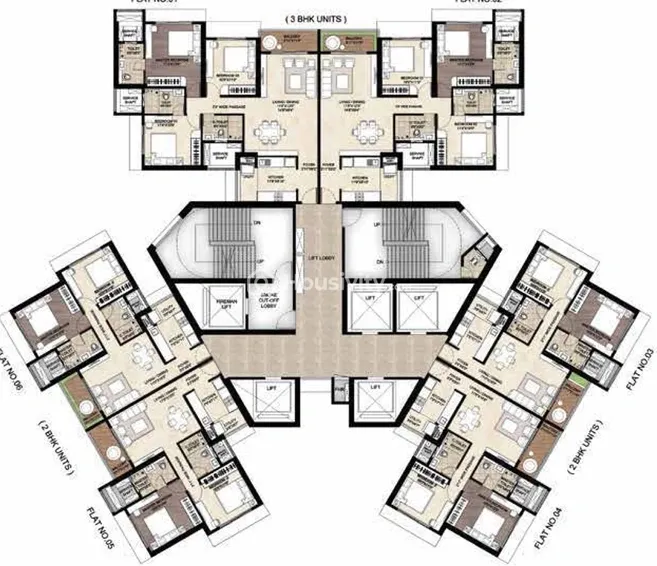 Ready To Move
 FeaturedMulund West, Mumbai




 FeaturedWadala East, Mumbai




 FeaturedMulund West, Mumbai





 IconicAndheri West, Mumbai





 LimelightMulund West, Mumbai



 LimelightPushpak Nagar, Navi Mumbai
 Ready To MoveLimelightPushpak Nagar, Navi Mumbai
 House for Sale in Sargasan