Housivityis better on the app
 Reals
Reals

Blog
For Investors
GIFT City is projected to employ more than 1,00,000 professionals by 2030, while only about 6,000 residential units are expected to be available. This mismatch will create a housing shortage that strengthens demand for managed apartments. Investors can benefit from higher rental yields due to limited supply and strong corporate demand. NRIs and homebuyers are also drawn to hotel-style living and ready to move convenience. The long-term outlook for managed homes and premium gift city flats remains very positive.
The residential supply has grown slowly while employment has expanded rapidly. Corporate growth outpaced housing construction, leading to an estimated workforce of more than 1,00,000 residents by 2030 but only about 6,000 units. This mismatch has created a clear shortage that will influence prices and rental values.
GIFT City was initially developed with a strong focus on commercial infrastructure. Offices, banks, data centres and fintech hubs were prioritised to attract global firms. Residential planning came later because early demand was unclear. As global institutions arrived faster than expected, the workforce grew sharply.
Housing projects take longer because they require amenities, planning approvals and community infrastructure. Developers also faced limited land parcels inside the core city. Residential towers require lifestyle features like gyms, lounges and club spaces which extend timelines.
Many professionals currently commute from Ahmedabad or Gandhinagar. However, rising travel fatigue and the appeal of premium living inside the city are increasing demand for immediate accommodation. With the workforce expected to grow continuously, the current supply cannot match future needs. This is why managed apartments are becoming the preferred solution.
How Ahmedabad’s CWG 2030 Could Double Yields in Motera & GIFT City
Residential demand may exceed 30,000 to 40,000 units by 2030. The workforce is expected to cross 1,00,000 and many employees want to live closer to the office. This creates strong need for both end user homes and managed apartments.
Demand comes from the financial sector, global capability centers, fintech firms, IT service companies and aviation-related businesses. Many of these companies have employees who prefer walk to work lifestyle. If even 10 percent to 15 percent of the workforce chooses to live locally, more than 10,000 to 15,000 homes are needed.
Consultants, visiting employees and project-based staff also require accommodation. Serviced studios and managed apartments are ideal for such short stays. These needs add to the long term demand.
The current planned supply of around 6,000 units will not be enough. Developers will need to introduce more residential projects to match the pace of commercial growth.
Managed apartments in GIFT City can deliver rental yields of 6% to 9%. Strong corporate leasing, short stay demand and limited supply support these higher returns. They often outperform traditional unfurnished properties.
Below is a simple rental yield comparison for investors.
| Residential Type | Expected Occupancy | Average Monthly Rent | Expected Yield |
|---|---|---|---|
| Managed Apartment | Very High | High | 6% to 9% |
| Furnished Flat | High | Moderate | 4% to 6% |
| Unfurnished Flat | Moderate | Low | 2% to 4% |
Managed apartments come fully furnished with housekeeping, laundry, maintenance and concierge support. These features reduce tenant turnover and attract corporate clients. Companies prefer these units because they provide reliable standards for employee accommodation.
Some developers offer rental management programs where owners get passive income without dealing with tenants. This makes the investment convenient and suitable for NRIs who want a hands off approach.
GIFT City Metro Connectivity: Transforming Business and Residential Real Estate
Managed apartments offer convenience, services and hotel-like comfort, while traditional homes offer more freedom for personalisation. Professionals who prioritise maintenance-free living prefer managed units, while families may prefer traditional homes.
| Feature | Managed Apartment | Traditional Home |
|---|---|---|
| Services | Housekeeping and maintenance | Owner managed |
| Rental Demand | Very high | Variable |
| Tenant Profile | Corporate professionals | Mixed |
| Furnishing | Fully furnished | Depends on the owner |
| Investment Ease | Very convenient | Moderate |
| Appreciation Outlook | Strong | Stable |
Managed apartments target a growing segment of young professionals who value convenience. Many employees relocating from other states want homes that are ready to move with no setup required.
Traditional homes appeal to long-term residents who want custom interiors or more living space. However, they may not offer the services modern professionals consider essential. This shift in consumer preference explains why managed apartments are growing faster.
GIFT City offers strong demand drivers, world class planning and a predictable regulatory environment. NRIs prefer the transparency and global infrastructure. Investors appreciate the rental demand and scarcity-driven appreciation.
The district includes modern roads, a district cooling system, underground utilities and seamless connectivity. These features create a premium urban experience. The presence of global banks and international financial firms adds long term stability.
NRIs also benefit from simplified property rules within the International Financial Services Centre. The environment is designed to attract global capital and talent. Rental demand grows each time a new corporate shifts operations into the zone.
Investors see clear potential because residential supply remains limited even as employment expands. Early buyers in premium projects and gift city flats can benefit from both rental returns and long term appreciation.
GIFT City Flats and Property Market Report: Demand Drivers, Prices, and Future Growth
No. The existing and upcoming residential supply is insufficient to accommodate the projected workforce. The expanding corporate ecosystem requires far more housing to maintain balance.
GIFT City has limited land designated for residential use. Commercial projects received priority during the early development phases. As a result, developers launched fewer homes and focused more on office buildings.
Even the newest residential announcements cannot match the pace of job creation. Each commercial tower brings thousands of new employees. Residential projects take time due to planning, approvals and construction.
This gap creates an opportunity for investors because demand will remain strong for many years. Managed apartments will play a key role in bridging the short and medium-term housing shortage.
| Item | Approximate Number |
|---|---|
| Current Workforce | 70,000 plus |
| Expected Workforce by 2030 | 1,00,000 plus |
| Current Residential Units | 3,500 to 4,000 |
| Upcoming Residential Units | 2,000 to 3,000 |
| Total Supply by 2030 | Around 6,000 |
| Estimated Demand | 30,000 to 40,000 plus |
These numbers show a large gap between the current supply and the future need. The shortfall will influence prices, rentals and investment performance.
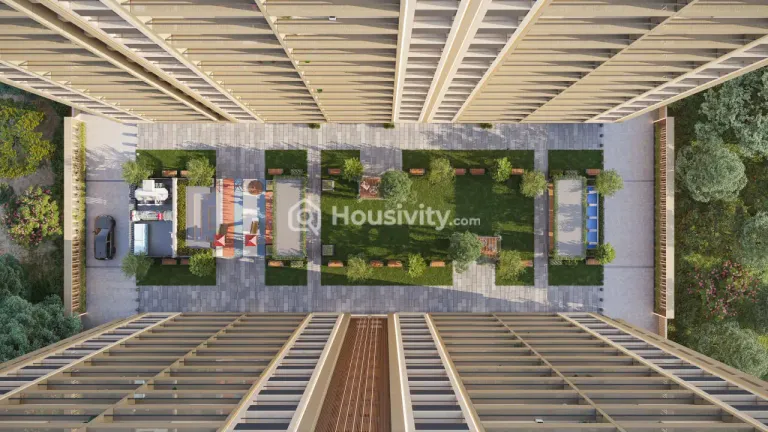
Lifestyle in GIFT City will shift toward premium amenities, walkable urban areas and community-focused residential projects. Managed apartments and integrated clusters will shape the new urban experience.
Upcoming developments are expected to include rooftop lounges, wellness zones, meditation pods, coworking lounges and smart home features. Young professionals want compact luxury homes that support productivity and social engagement.
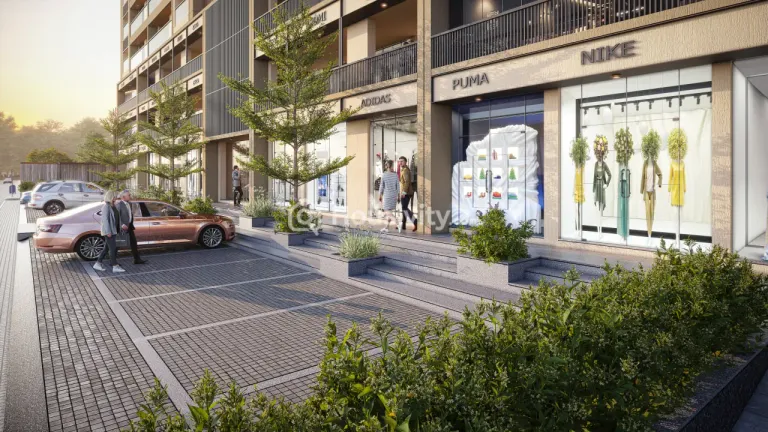
Developers are planning mixed-use streets with cafes, boutique stores, outdoor seating, and weekend markets. This will create a vibrant urban community where work and leisure blend smoothly.
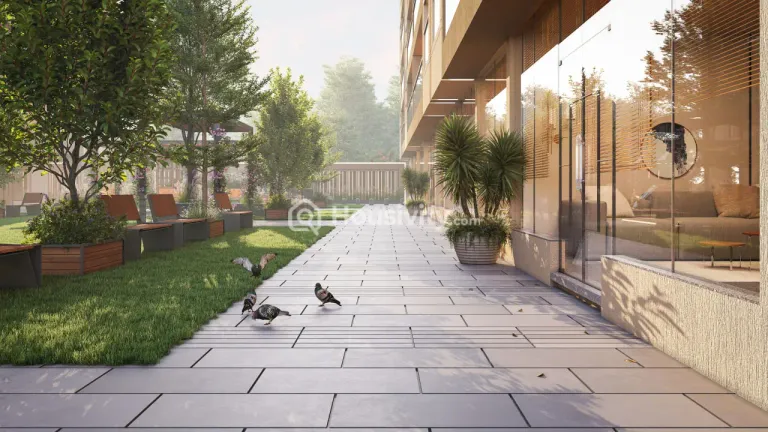
NRI families and HNI buyers also prefer planned cities that offer safety, green spaces and integrated infrastructure. These elements will make GIFT City one of the most desirable urban districts in India.
Investors should choose projects with strong management teams, high-quality furnishings and clear rental programs. Homes near commercial towers, transit access and lifestyle nodes offer better occupancy and appreciation.
Key points to evaluate include furnishing quality, interior durability and the range of services offered. Rental management programs ensure passive income which is helpful for outstation buyers and NRIs.
Investors should review the developer’s reputation and track record with rental-friendly projects. Properties that provide functional layouts and stylish interiors attract better tenants.
Corporate leasing demand continues to rise and companies prefer predictable living standards. Managed apartments with consistent service quality deliver this reliability and support long term rental income.
GIFT City is entering a growth phase where employment is rising at a far faster pace than residential development. With more than 1,00,000 professionals expected by 2030 and only about 6,000 homes planned, the housing gap will remain wide. Managed apartments will bridge the gap by offering convenience, furnished living and reliable services that fit the lifestyle of professionals and NRIs.
Investors can benefit from rental yields, scarcity-driven appreciation and the long-term expansion of global companies. For homebuyers, the district offers modern infrastructure, safety and a future-ready urban lifestyle.
 Frequently Asked Questions
 Subscribe now and be the first to receive insights that matter.



 Popular
 Shela, Ahmedabad

 Chandkheda, Ahmedabad




 Chandkheda, Ahmedabad
 Sample House Ready
 LimelightHanspura, Ahmedabad
 Shela, Ahmedabad
 Sample House ReadyLimelightHathijan, Ahmedabad
 Iconiczundal, Ahmedabad
 House for Sale in Sargasan