The Maharashtra real estate market is bracing for a challenging start to the 2026–27 financial year. As the state grapples with mounting fiscal pressure and a rising debt burden, reports indicate a potential revision of Ready Reckoner (RR) rates starting April 2026.
Industry experts warn that this hike, coupled with the inflationary pressures of the ongoing US-Israel-Iran conflict, could create a “double blow” for homebuyers, significantly impacting affordability across Mumbai and the rest of the state.
Ready Reckoner rates, also known as Circle Rates or Guidance Values, are the minimum values set by the state government for property transactions.
Following an average increase of 3.89% in the previous financial year (2025-26), the state government is reportedly considering an even steeper revision for the upcoming cycle.
Rising Costs • Supply Impact • What Buyers Must Know
The timing of the proposed hike is particularly sensitive. Real estate bodies have warned that a prolonged conflict in West Asia is already disrupting supply chains and driving up input costs.
The conflict has led to higher crude oil prices and significant logistics disruptions. This has directly impacted the cost of essential raw materials:
If the RR rates are hiked while material costs are already peaking, the impact on the final property price will be twofold:
While the market has shown resilience to previous RR hikes, 2026 presents a more complex landscape.
The potential hike in Maharashtra’s Ready Reckoner rates, set against the backdrop of the US-Israel-Iran war, marks a critical juncture for the real estate sector. While the government seeks to balance its books, the “double blow” of increased taxation and rising construction costs threatens to dampen the recovery of the housing market. For homebuyers in 2026, the cost of a dream home is no longer just a local calculation; it is now deeply tied to global stability and state fiscal policy.
 Frequently Asked Questions
 Subscribe now and be the first to receive insights that matter.


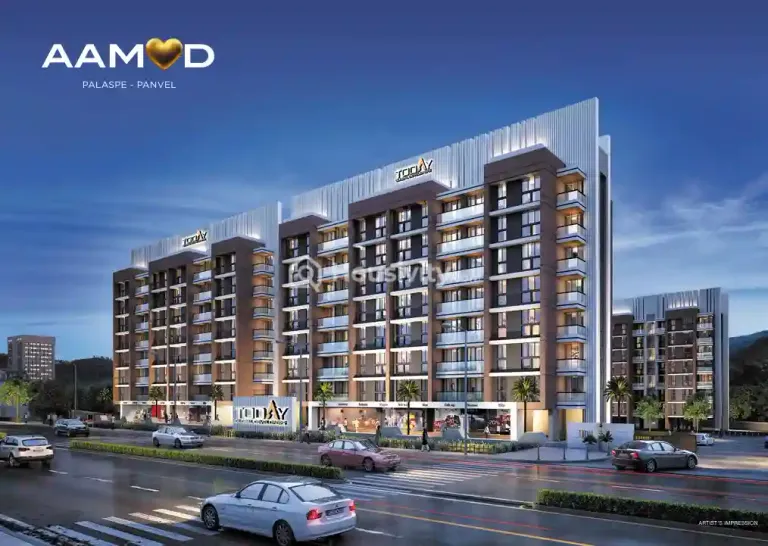
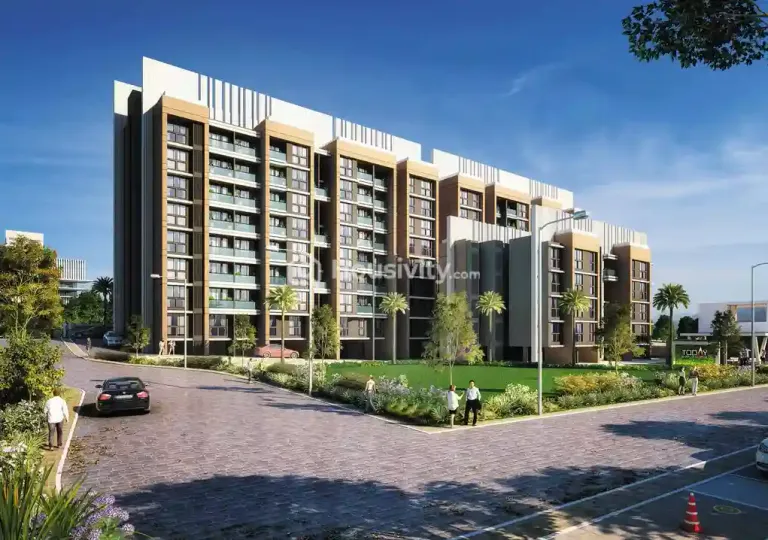
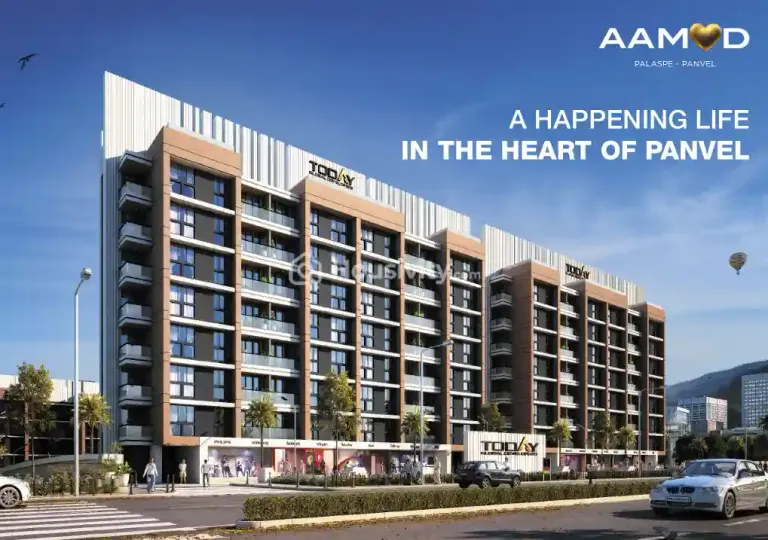
 Ready To Move
 Limelight
 Panvel, Navi Mumbai









 FeaturedWadala East, Mumbai











 FeaturedMulund West, Mumbai







 IconicAndheri West, Mumbai





 LimelightMulund West, Mumbai
 Ready To MoveLimelightPushpak Nagar, Navi Mumbai





 IconicUlwe, Navi Mumbai





 Ready To MoveLimelightUlwe, Navi Mumbai

 LimelightUlwe, Navi Mumbai
 House for Sale in Sargasan